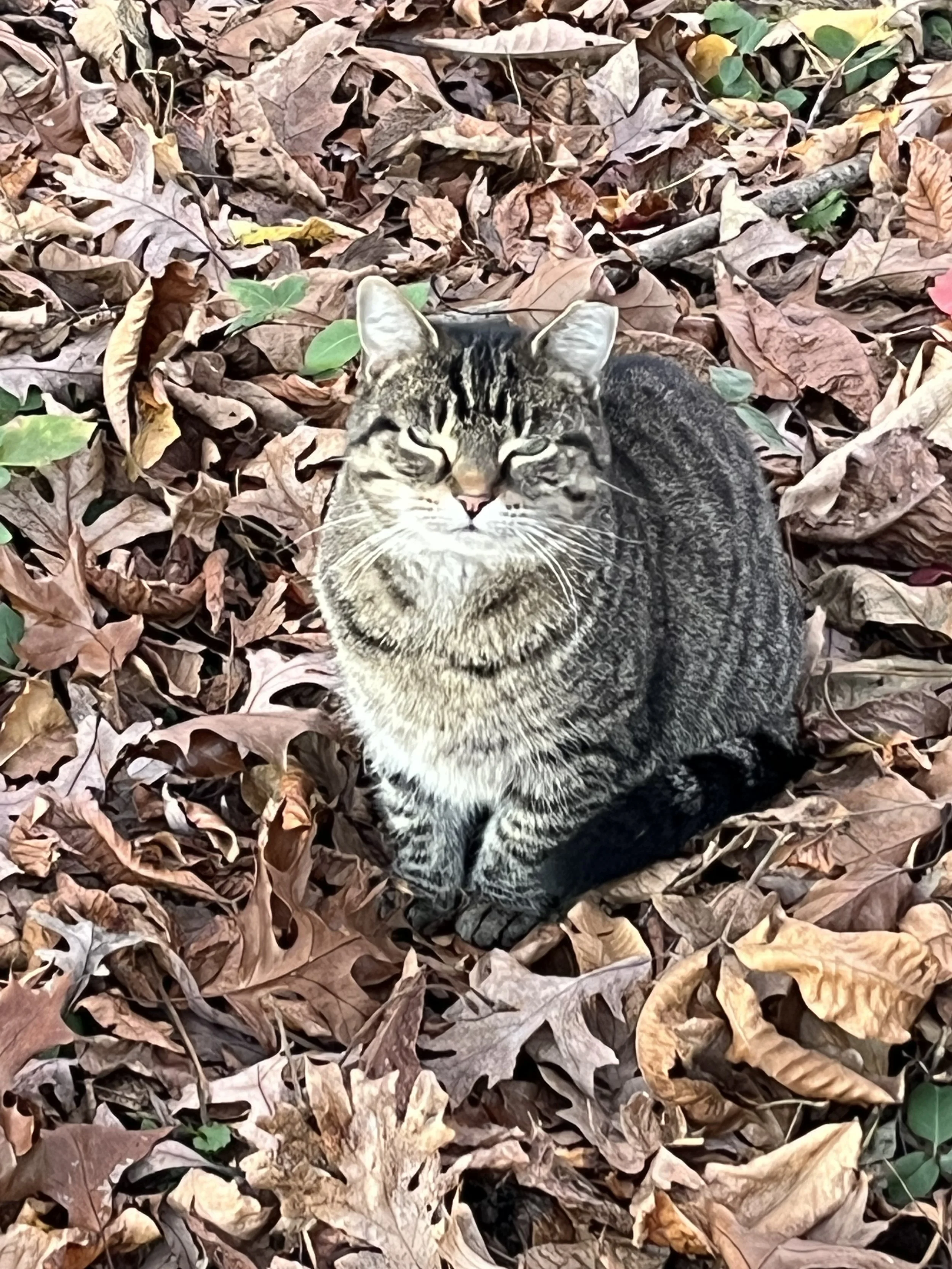
Four Cats Are My Limit.
I wish I could give a home to all the stray cats.
My goal was to write about the campus cats at the end of each month. February came and went before I was ready.
February Update
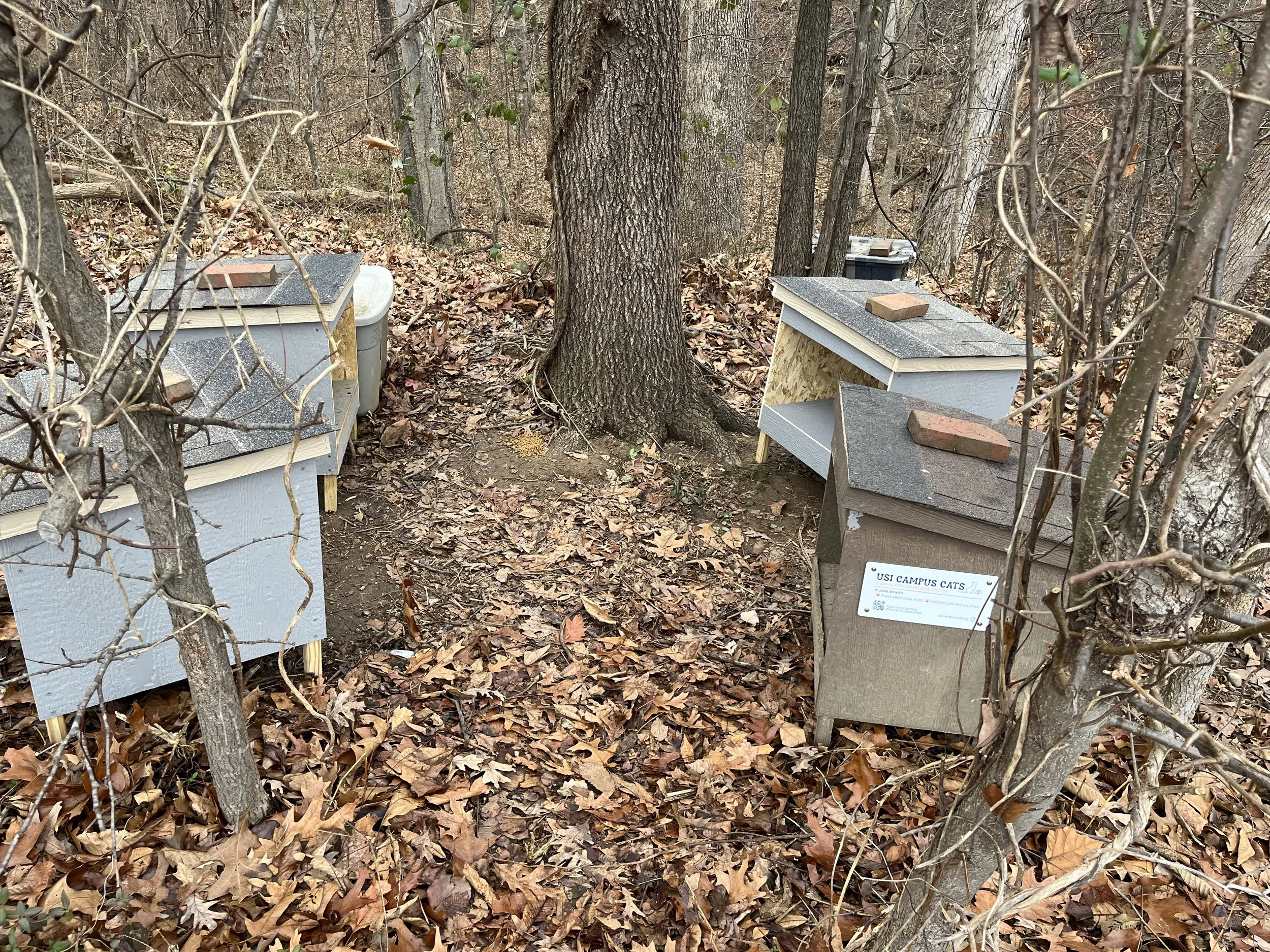
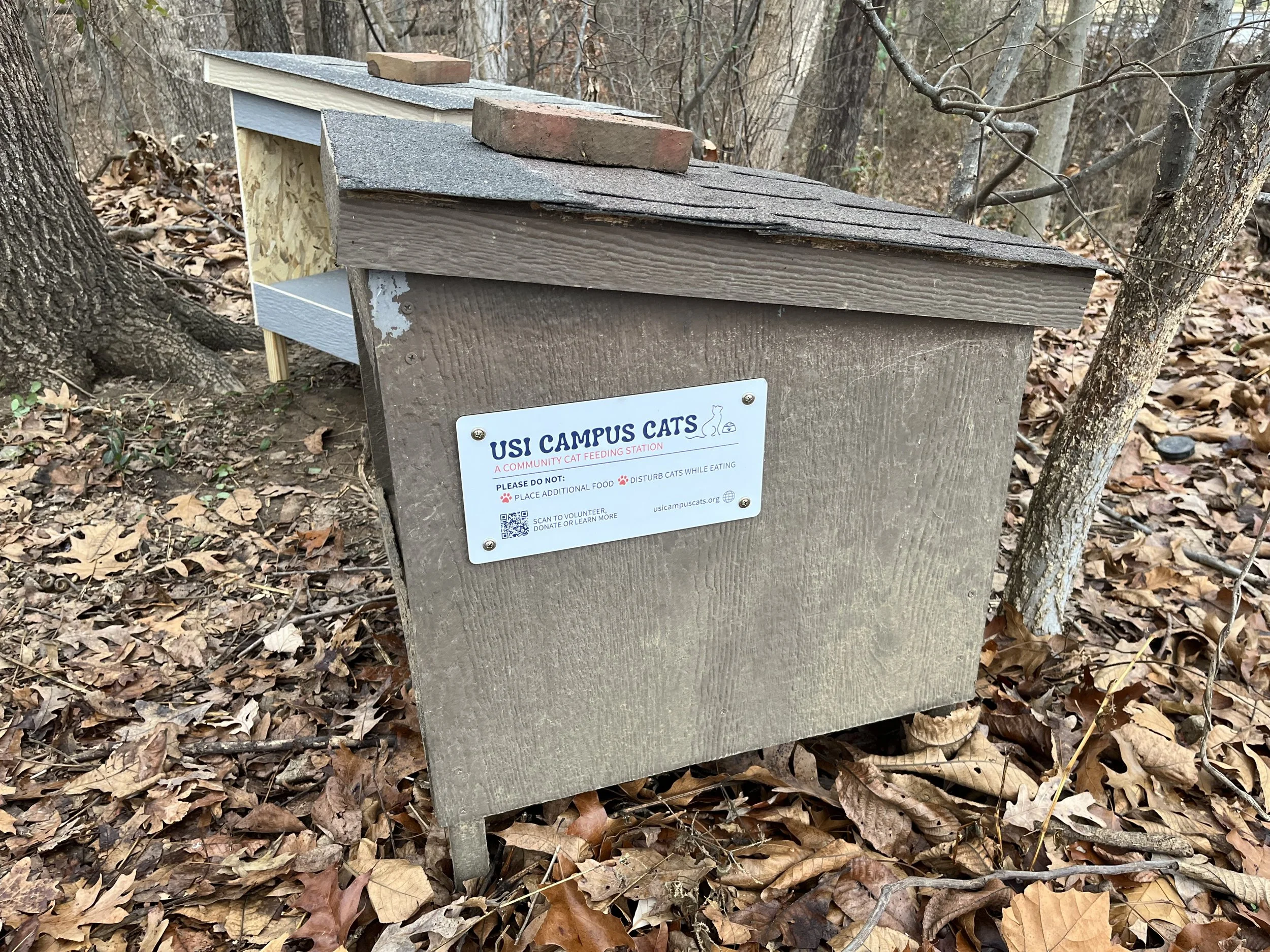
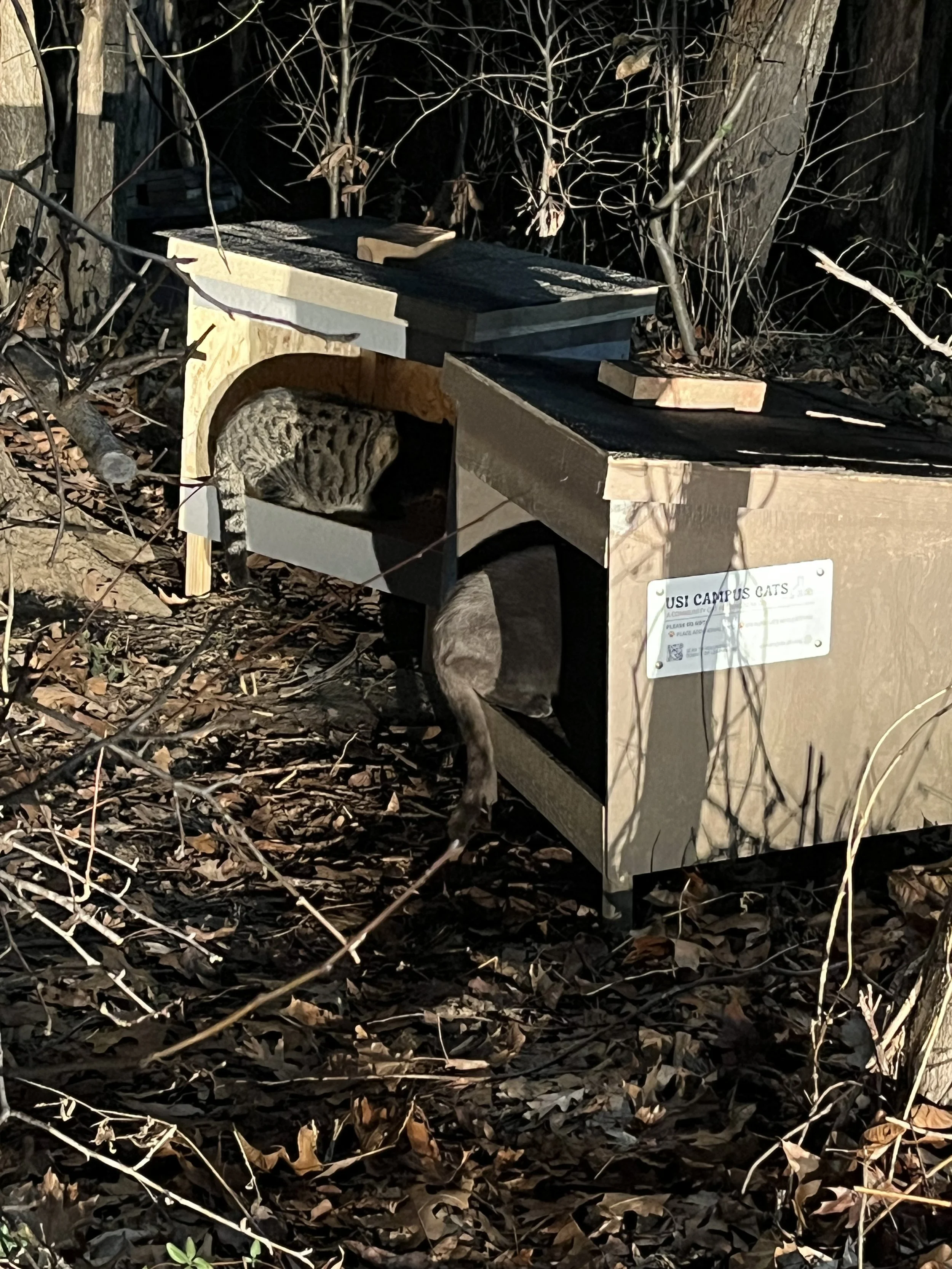
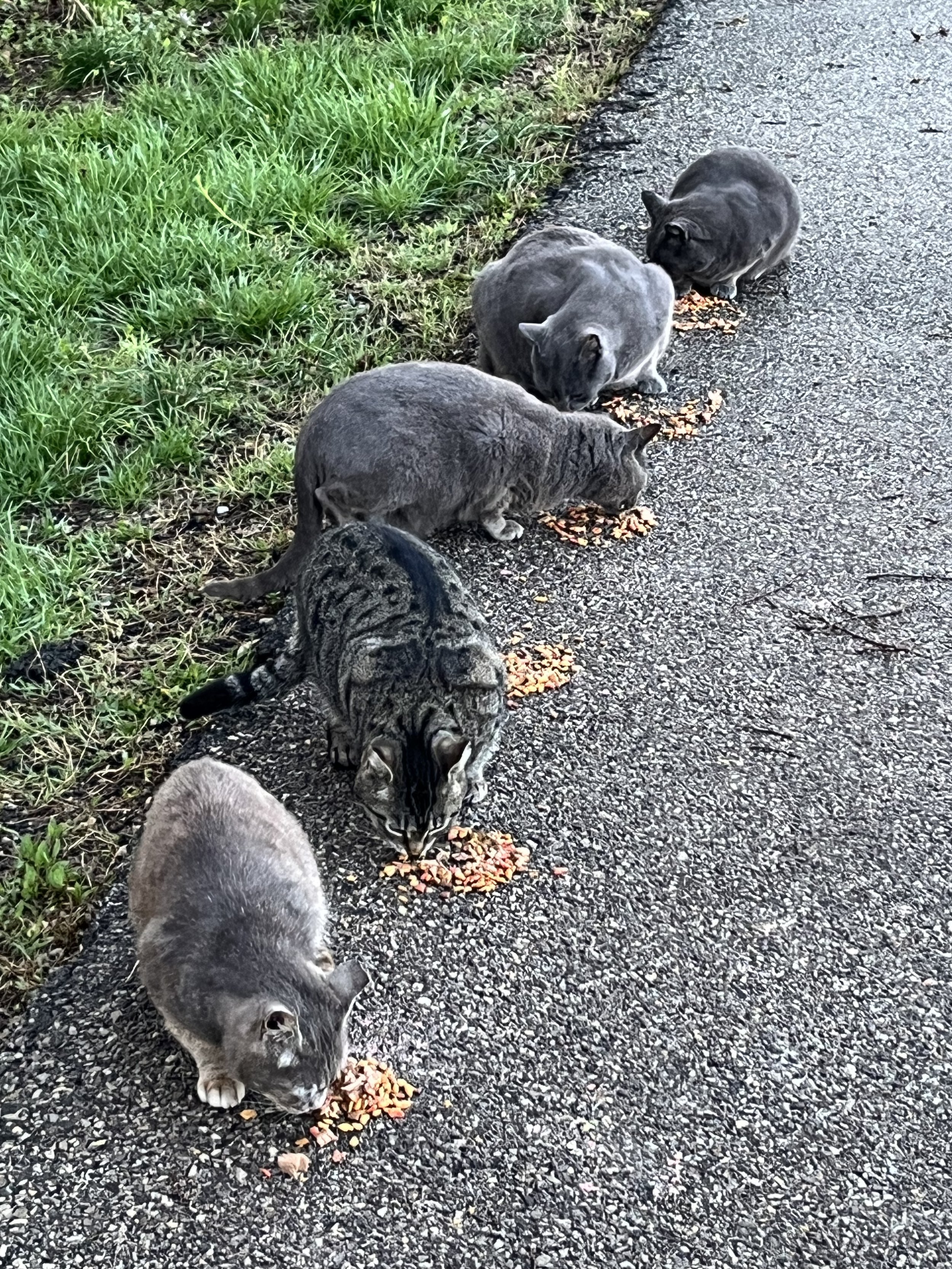
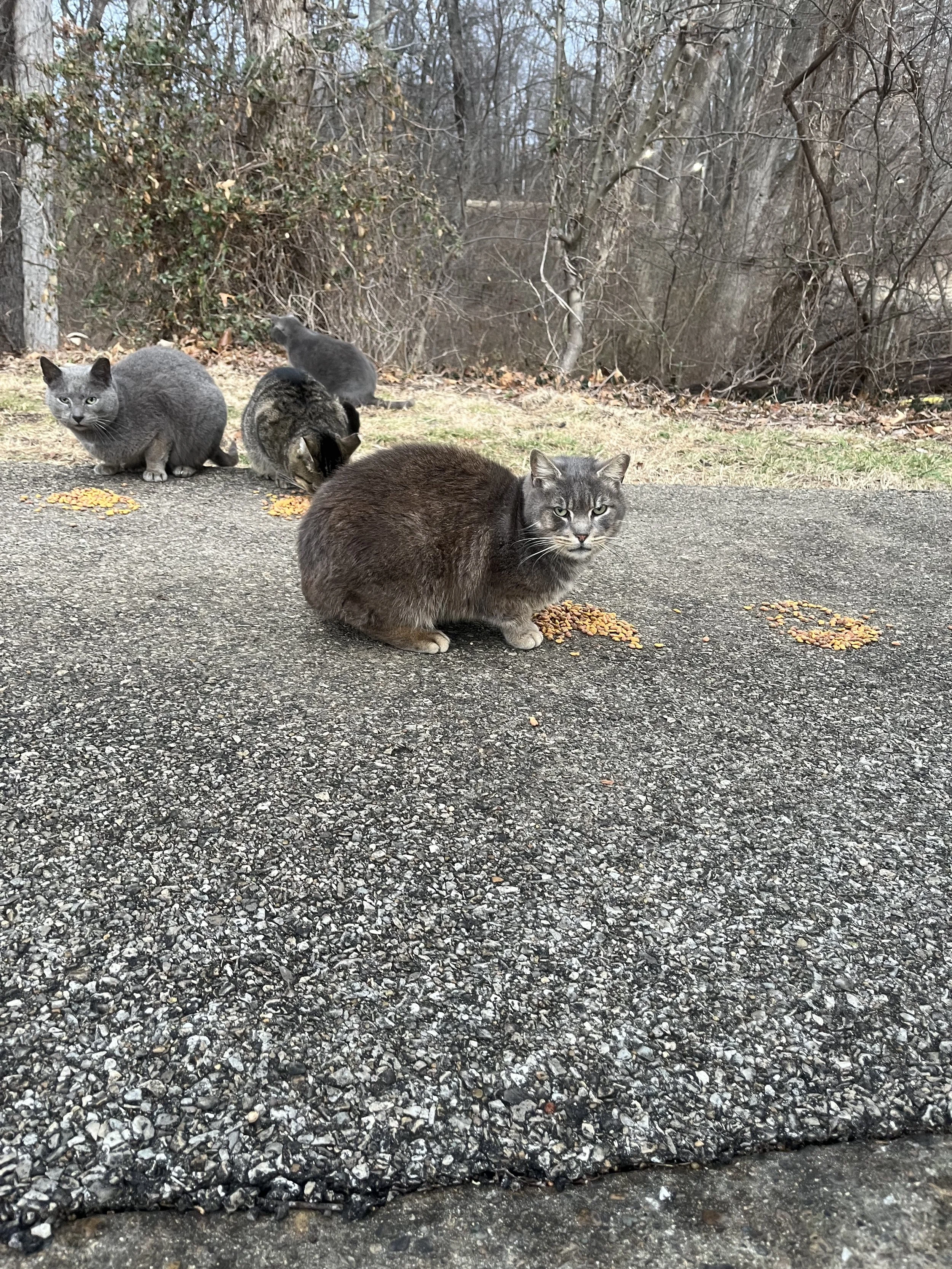
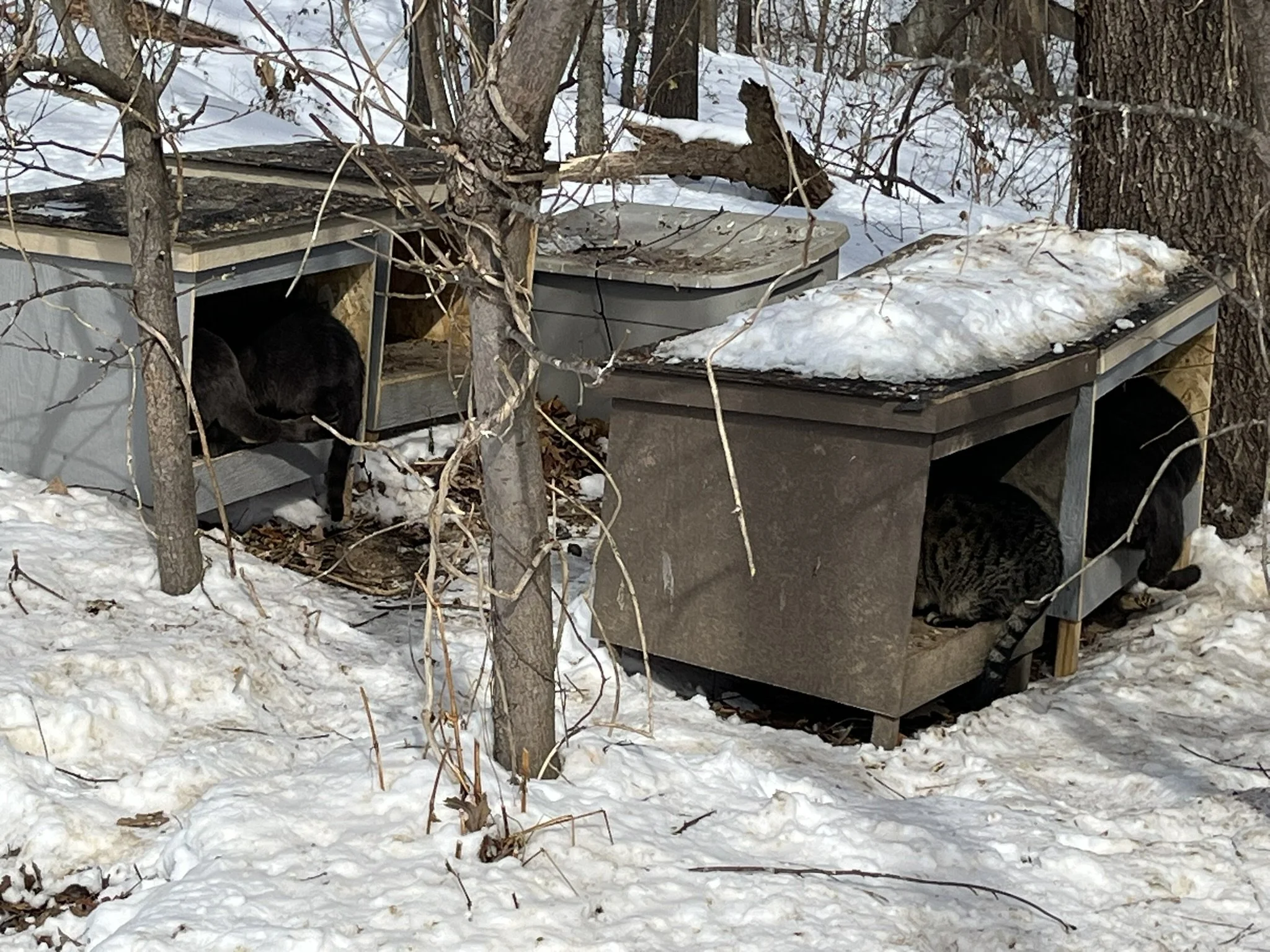
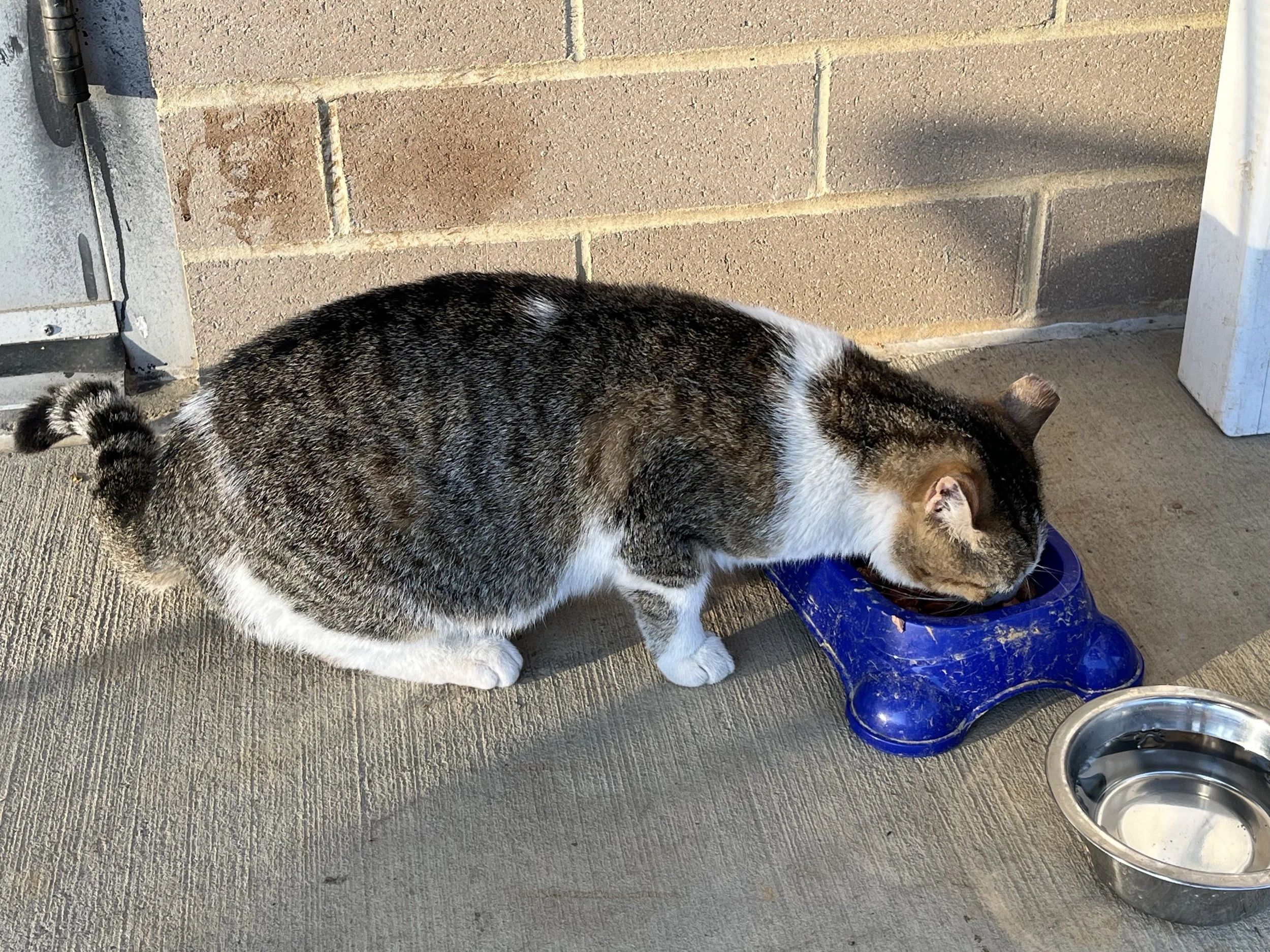
Overall, the cats have been slowing getting back into their usual routines. Winter weather tends to throw them off especially if there is snow, ice, extreme cold or all the above. I probably will never shut up about how awesome it is to have feeders at all the stations so we can keep their food dry, and the cats can eat mostly out of the weather – usually their cute, little butts stick out.
With warmer weather, it also brings the raccoons back out particularly in the mornings. They haven’t been showing up most mornings yet, but there have been a few warmer days, and a lone raccoon arrives ready to eat. To allow the cats to eat in peace, we must give the raccoons dry food to distract them from the cats. I would like to say this always works but it doesn’t. Luckily, the cats at all the stations live harmoniously with the raccoons for the most part.
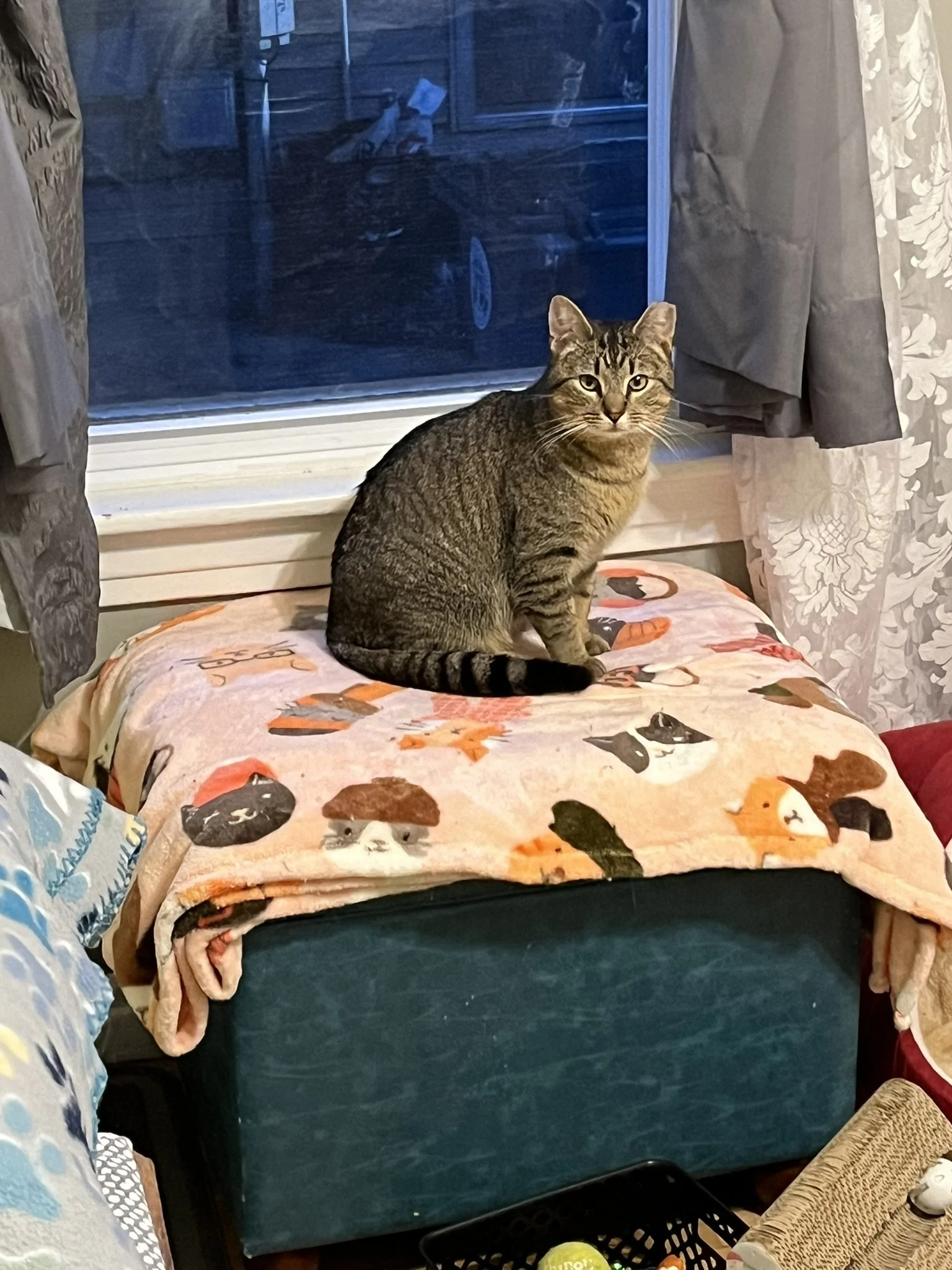
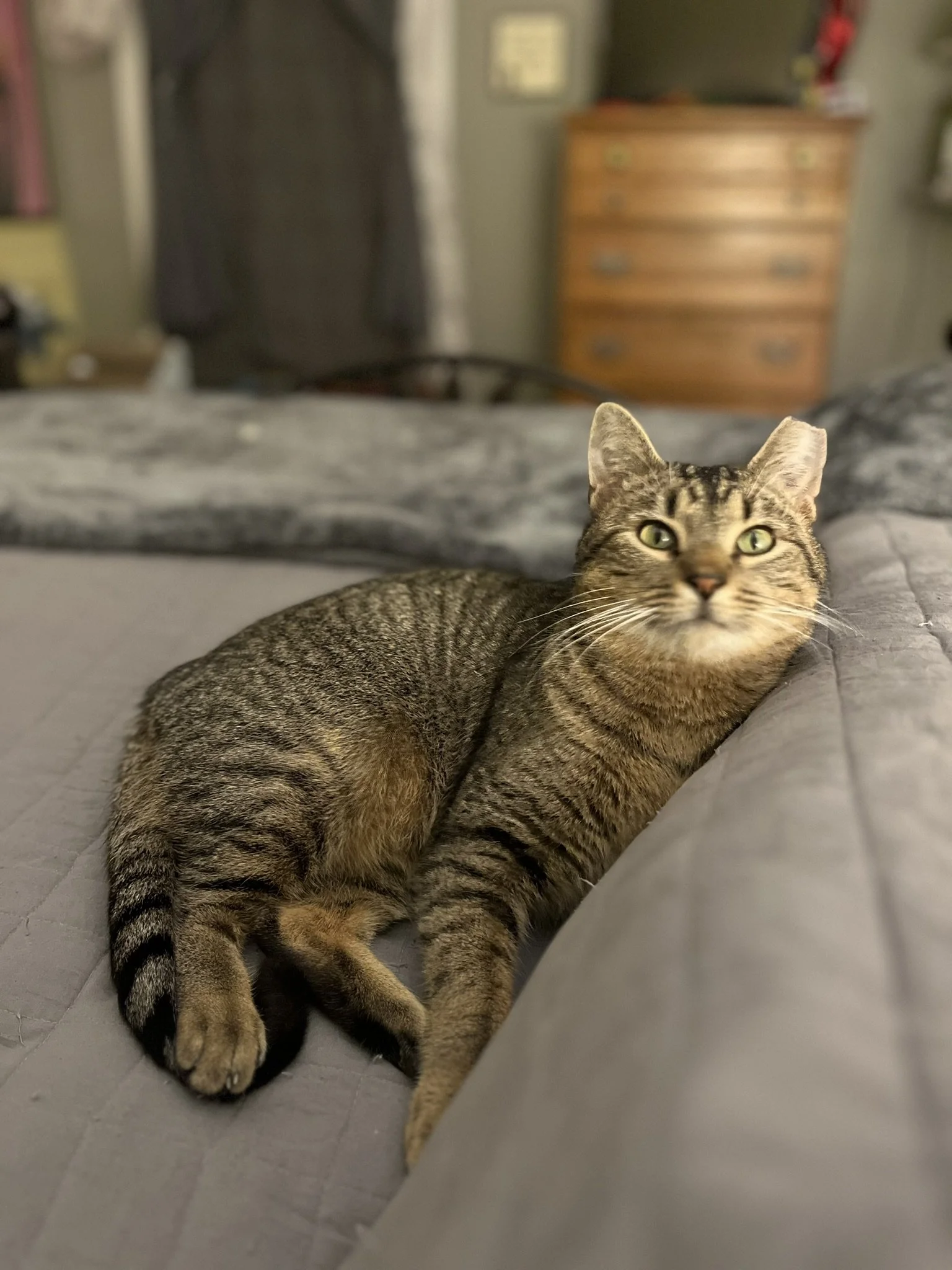
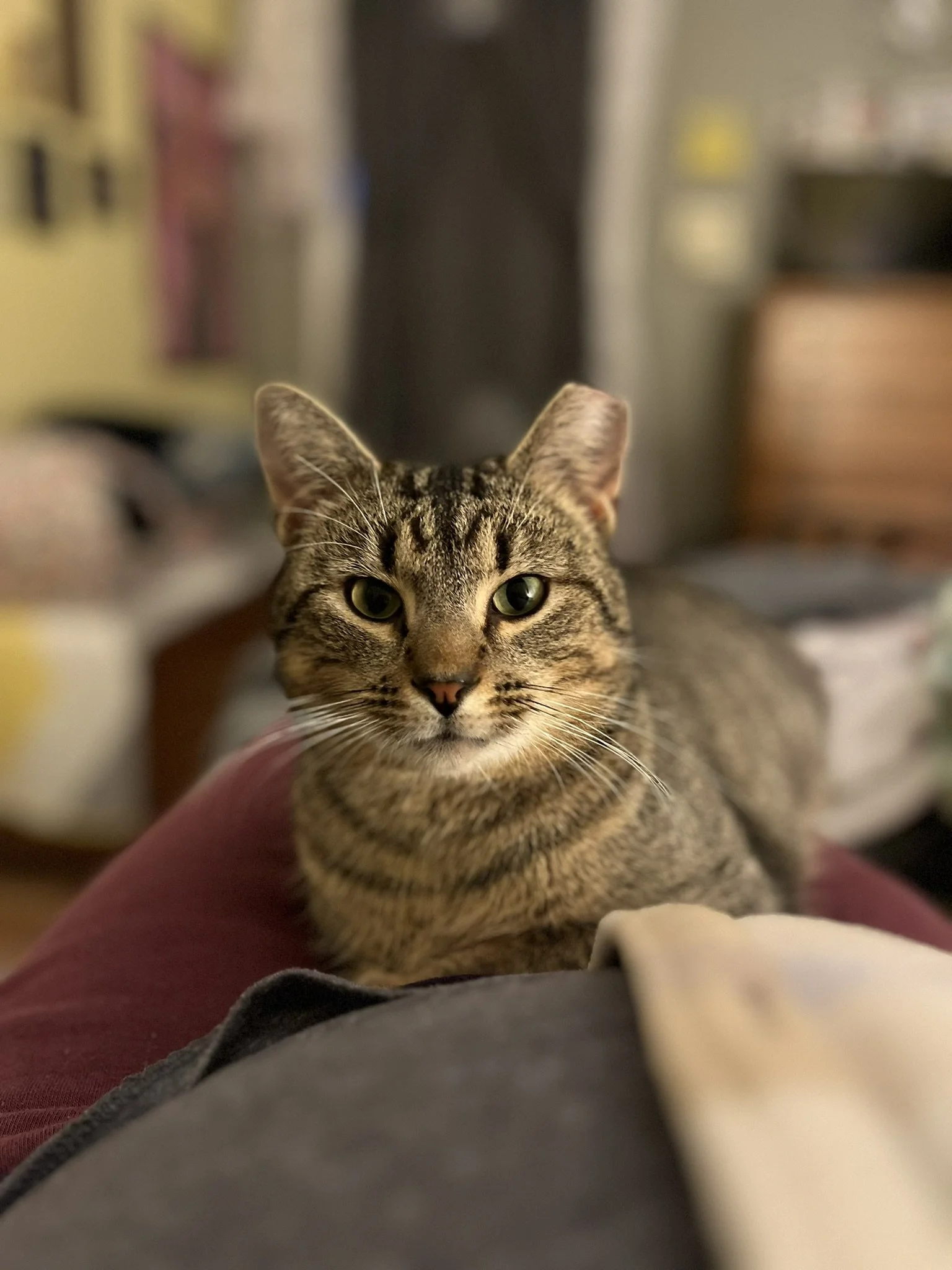
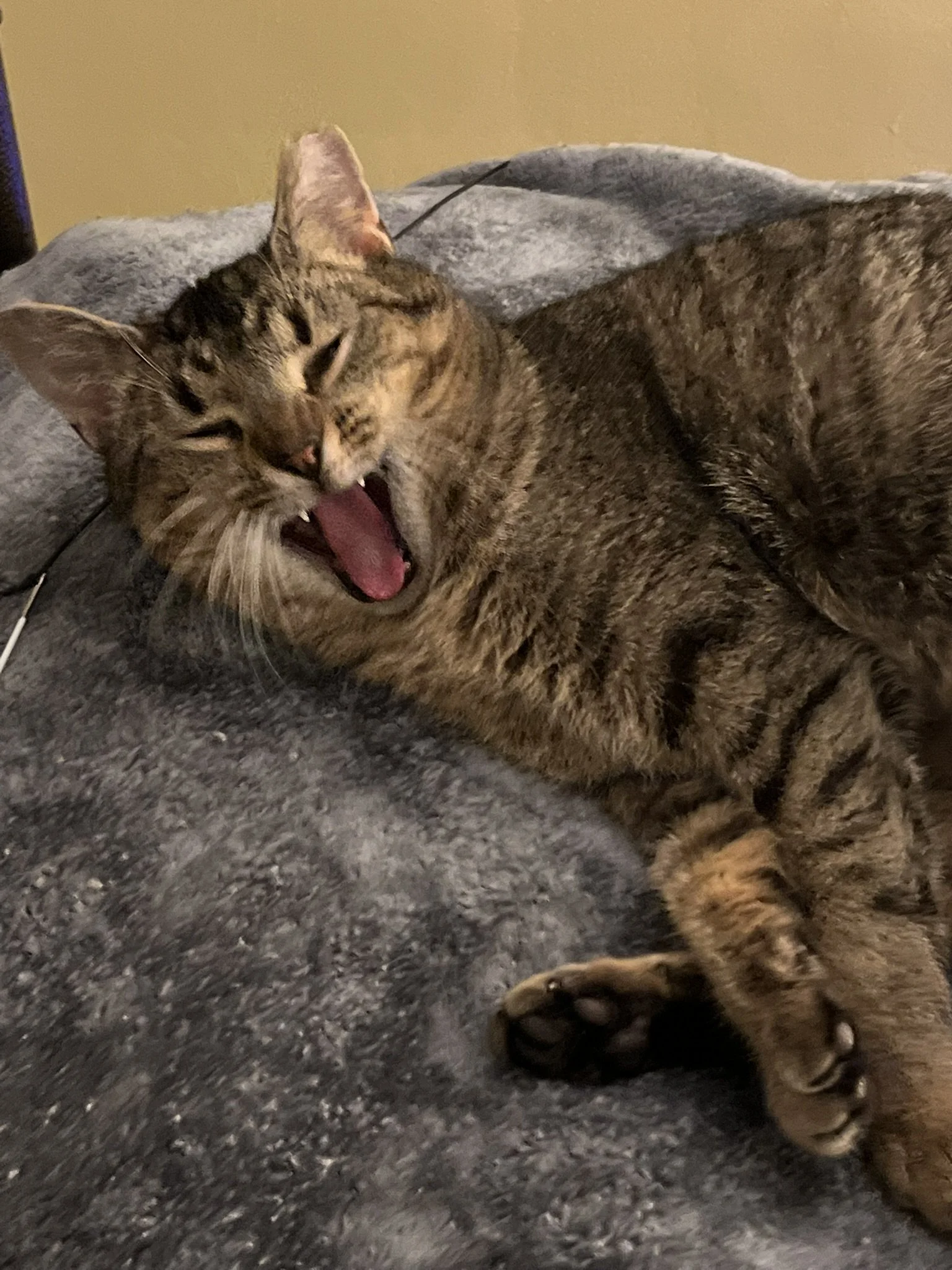
Gus
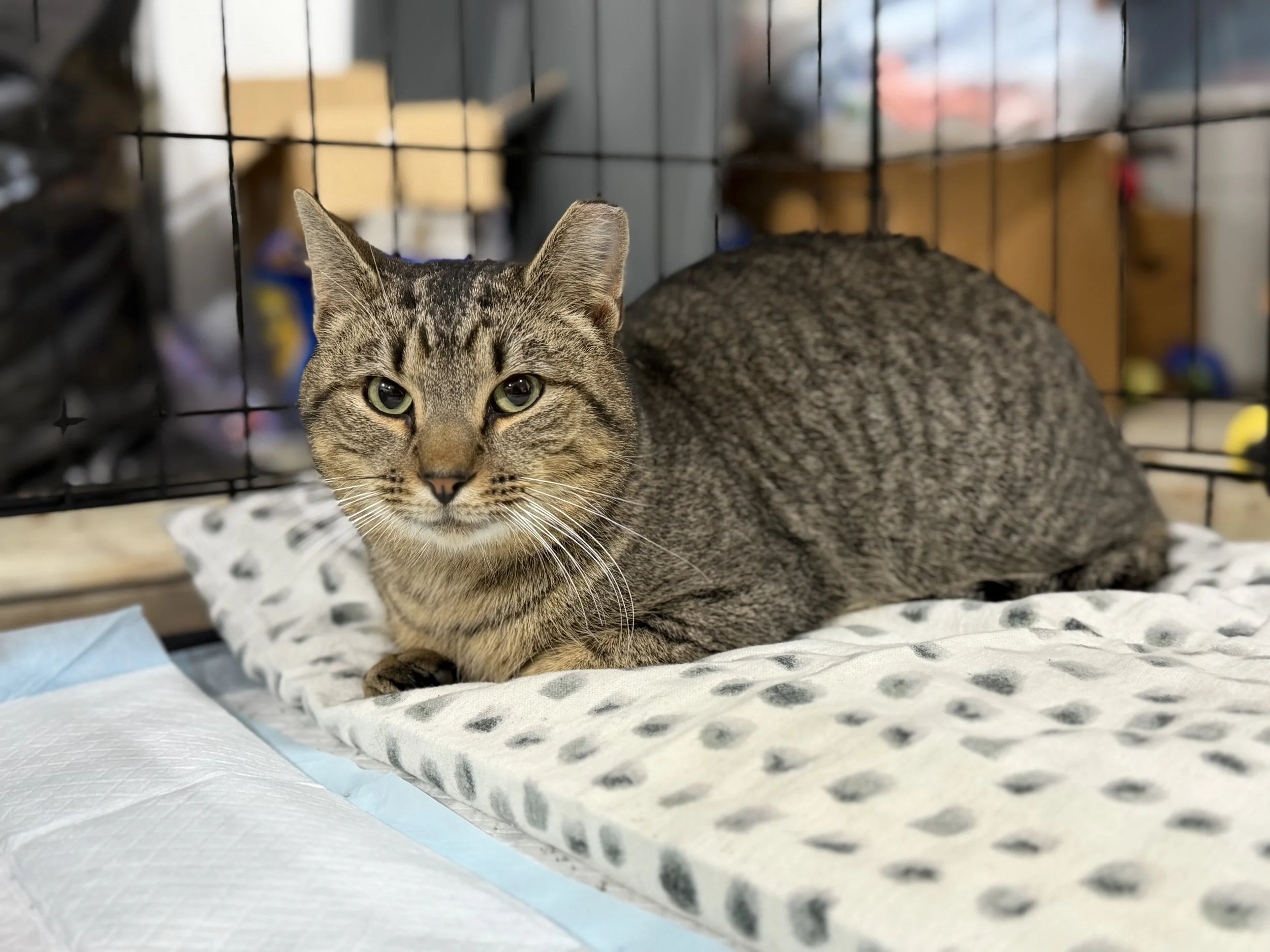
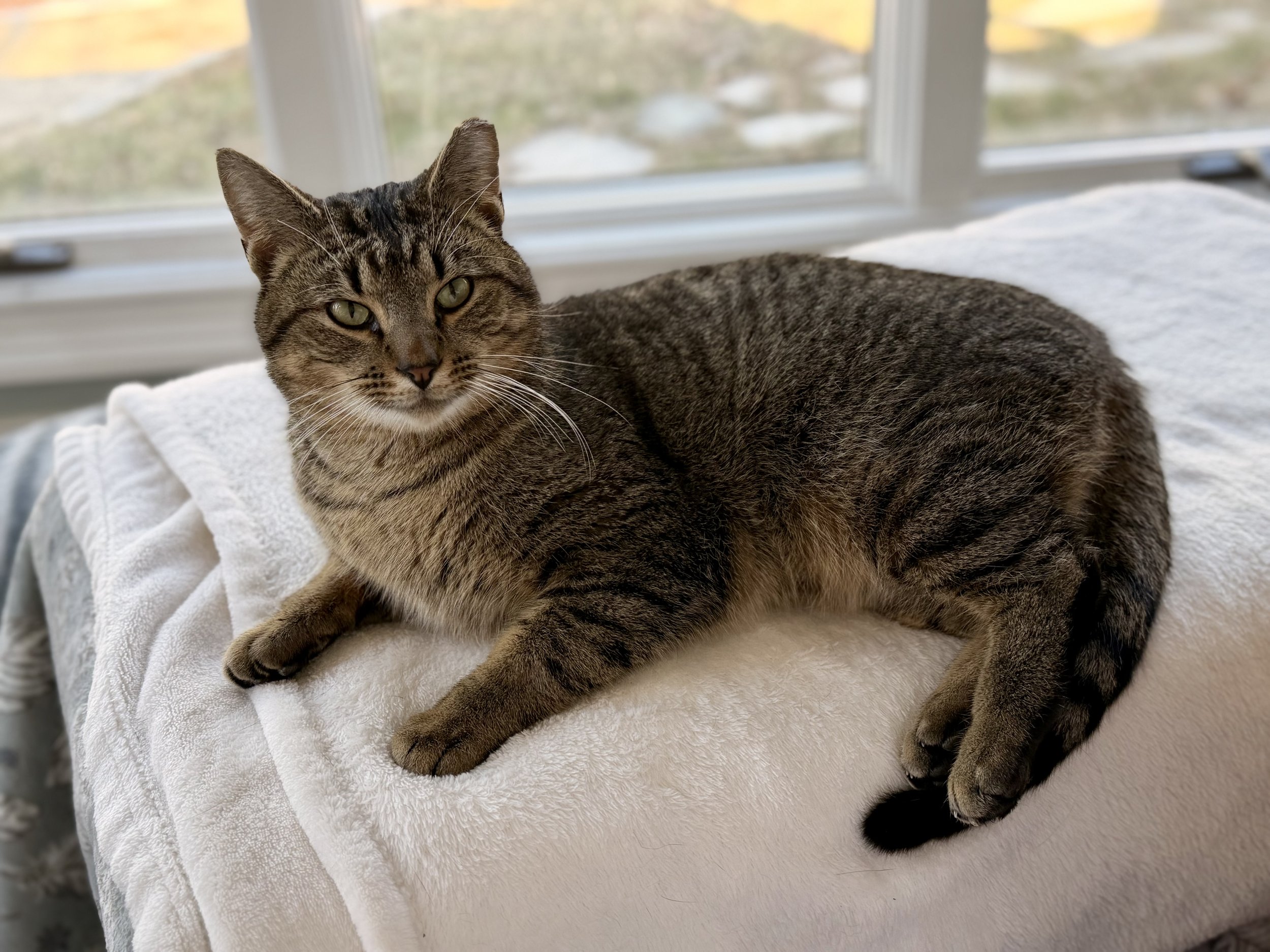
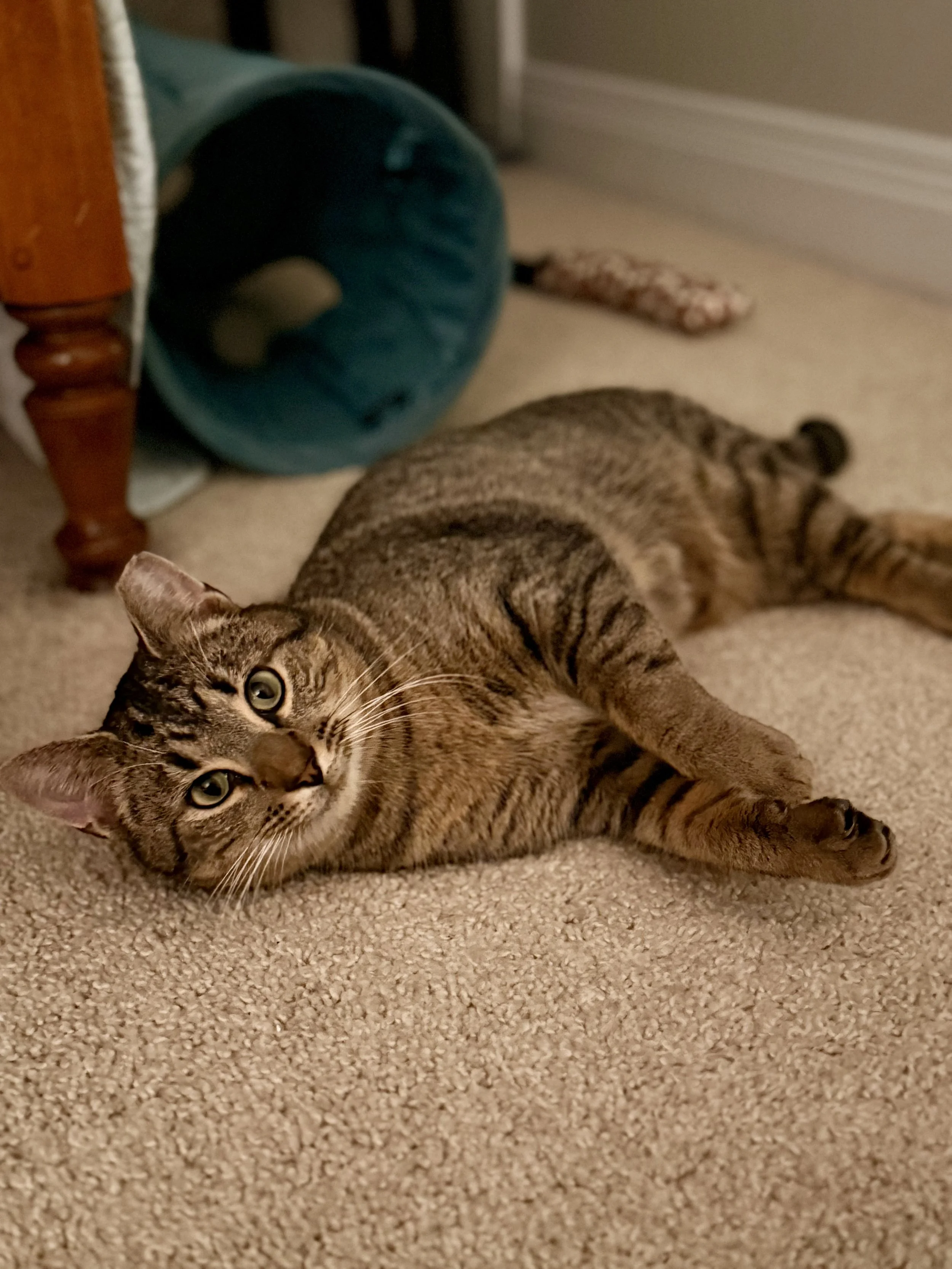
To refresh your memories, back in October a tabby started showing up at Nox and Loki’s feeding station. Over time he convinced me he needed two cans of wet food for breakfast. In early January, Laurie trapped him and took him immediately to VHS’s community cat clinic to have him neutered. Plan was to release him back to campus and add him to our feral cat community. However, before doing so he showed signs of being friendly. Laurie had him for a month before unexpected home repairs disrupted her foster room, so I took Gus. To make a long story short, Gus is on his way to becoming the fourth feline member of my family. Hence the title, Four Cats Are My Limit. Although I would love to take in all the abandoned cats who end up on campus, my little house just doesn’t have the space. Therefore, Gus will be the last one to join. Once he is fully integrated into the household with the others then I can use the spare bedroom again to foster as needed.
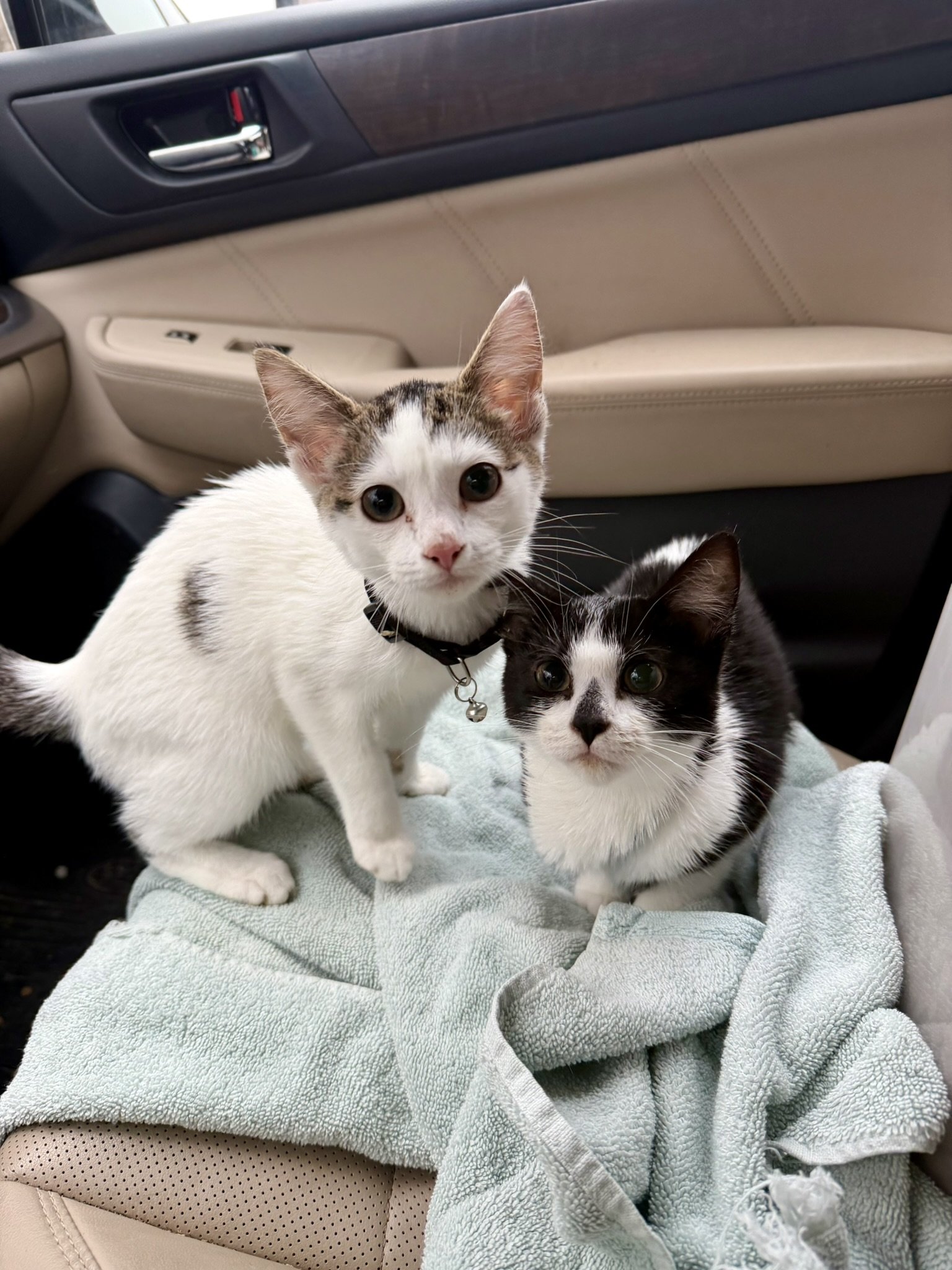
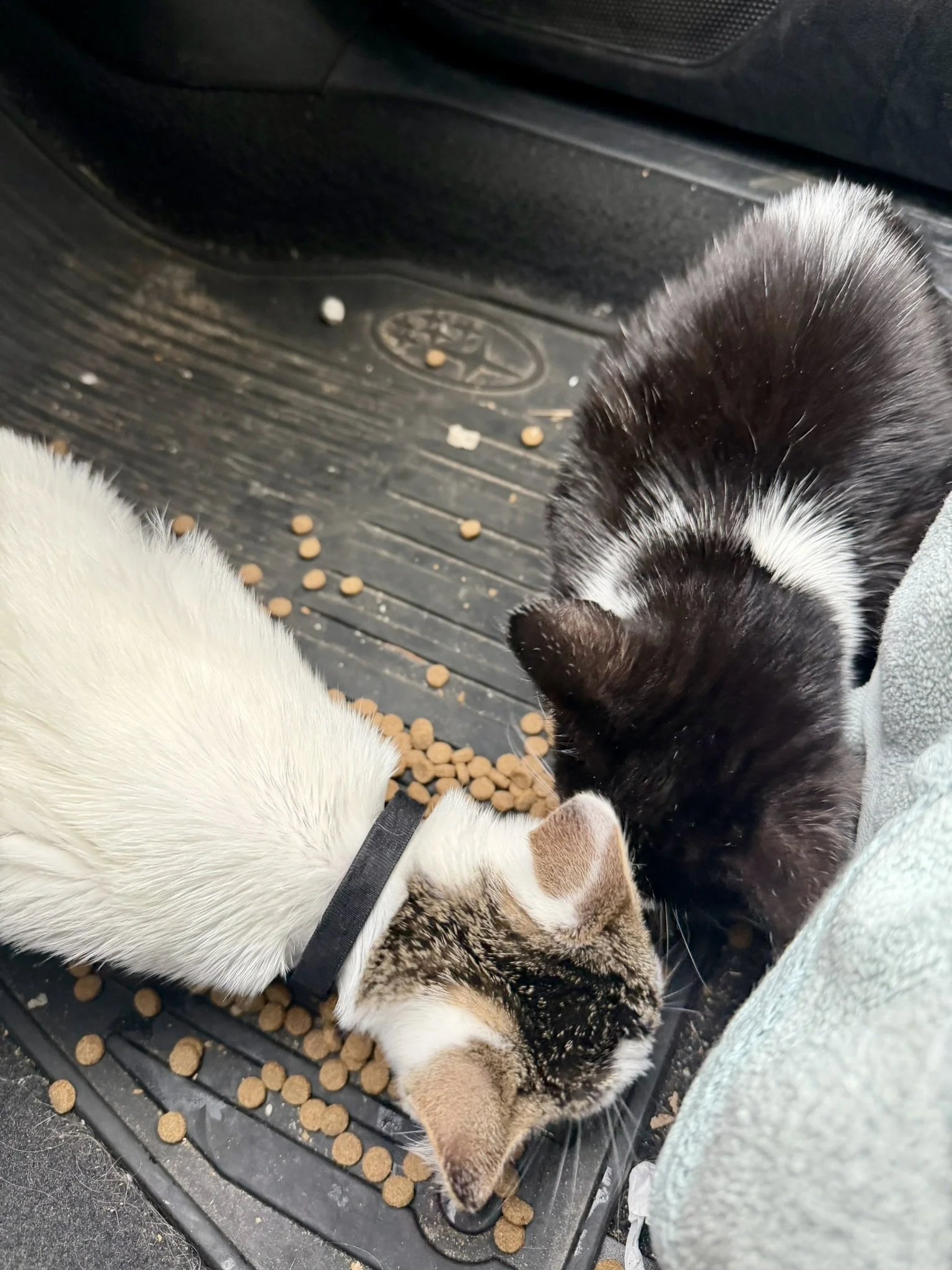
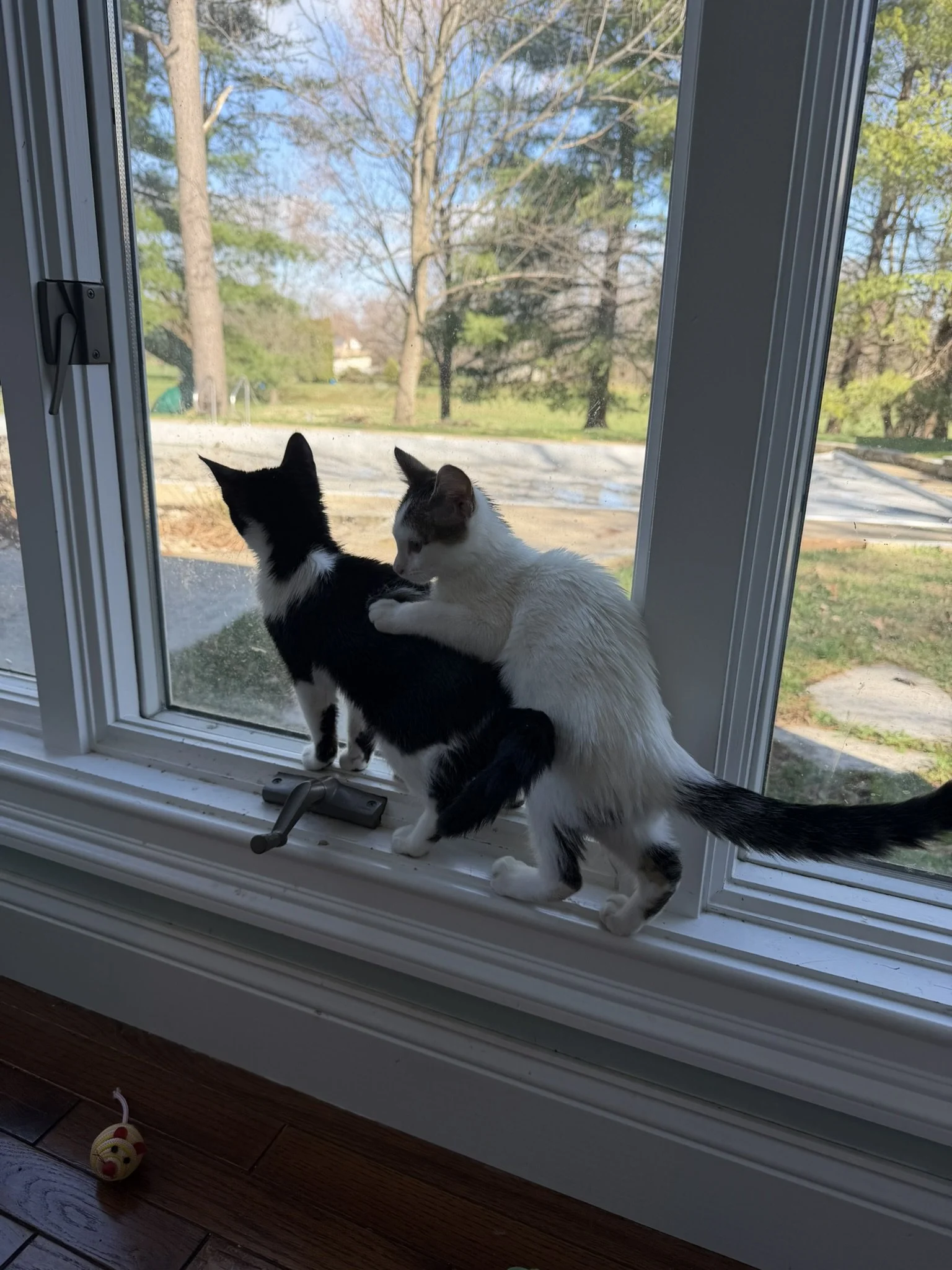
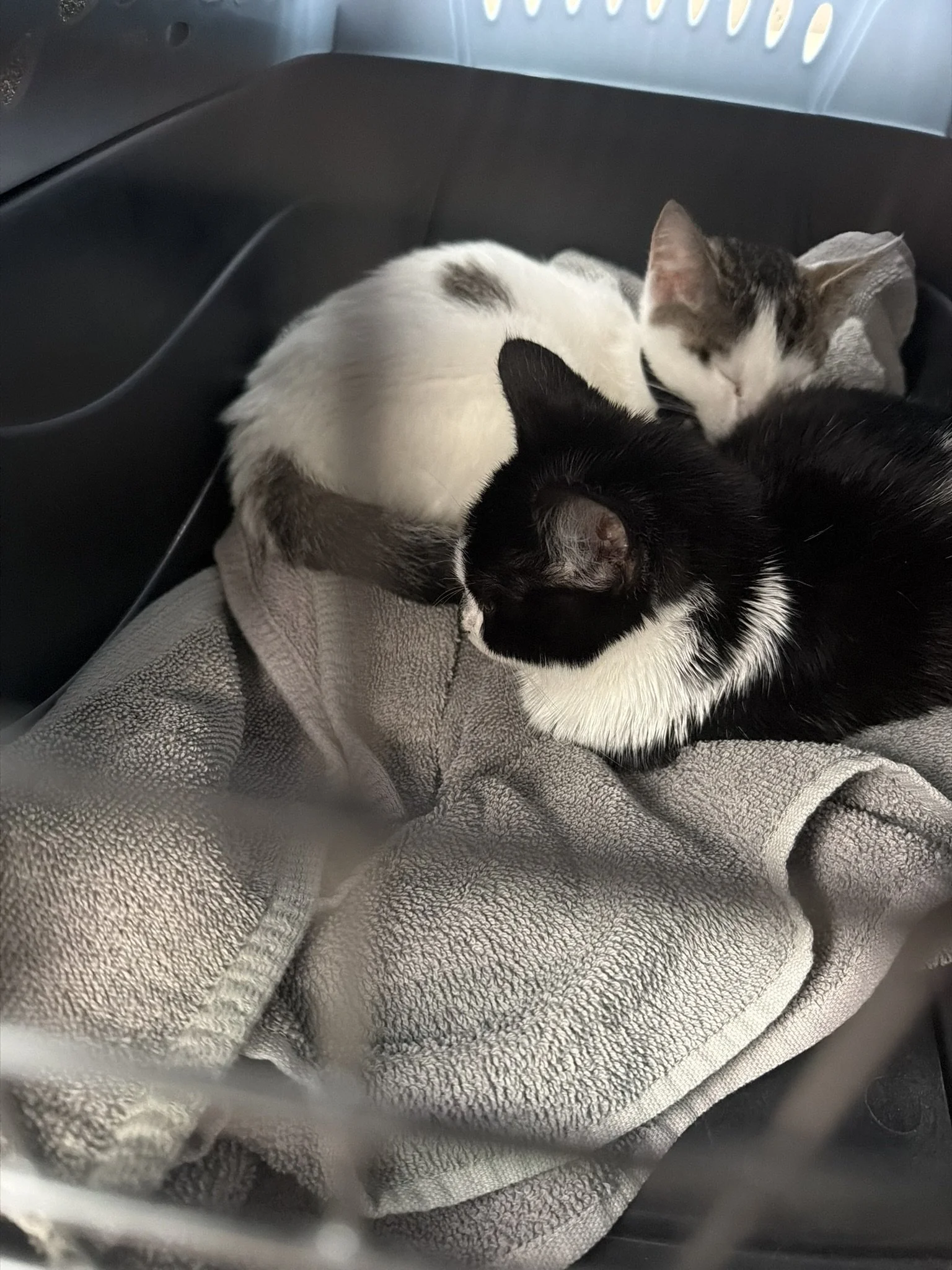
Which brings me to….
The two kittens found on campus today. If you want to learn more about them, follow our social media.
I admire and respect those who work in animal rescue daily. We are not a rescue, but others keep trying to force USI Campus Cats into becoming one by abandoning their cats on campus. Their lack of compassion and disrespect for our actual purpose, leaves us drained financially, physically and mentally. So here is my shameless begging for more volunteers, people willing to foster at a moment’s notice, and food and monetary donations. If you don’t want to help us, then help another shelter or rescue. Goodness knows they all need it just as much as our little volunteer organization.
Be kind to animals.
Spay and neuter your pets.
Don’t dump your pets. Ever.
Melissa
USI Campus Cats Coordinator
January, The Longest Month
When I wrote the first blog detailing the 2025 year in review for USI Campus Cats, I toyed with the idea I would write a monthly blog. I am not a writer. What you will read is an honest report of life coordinating a small organization of volunteers who provide care to feral cats on a college campus, twice a day, 365 days a year.
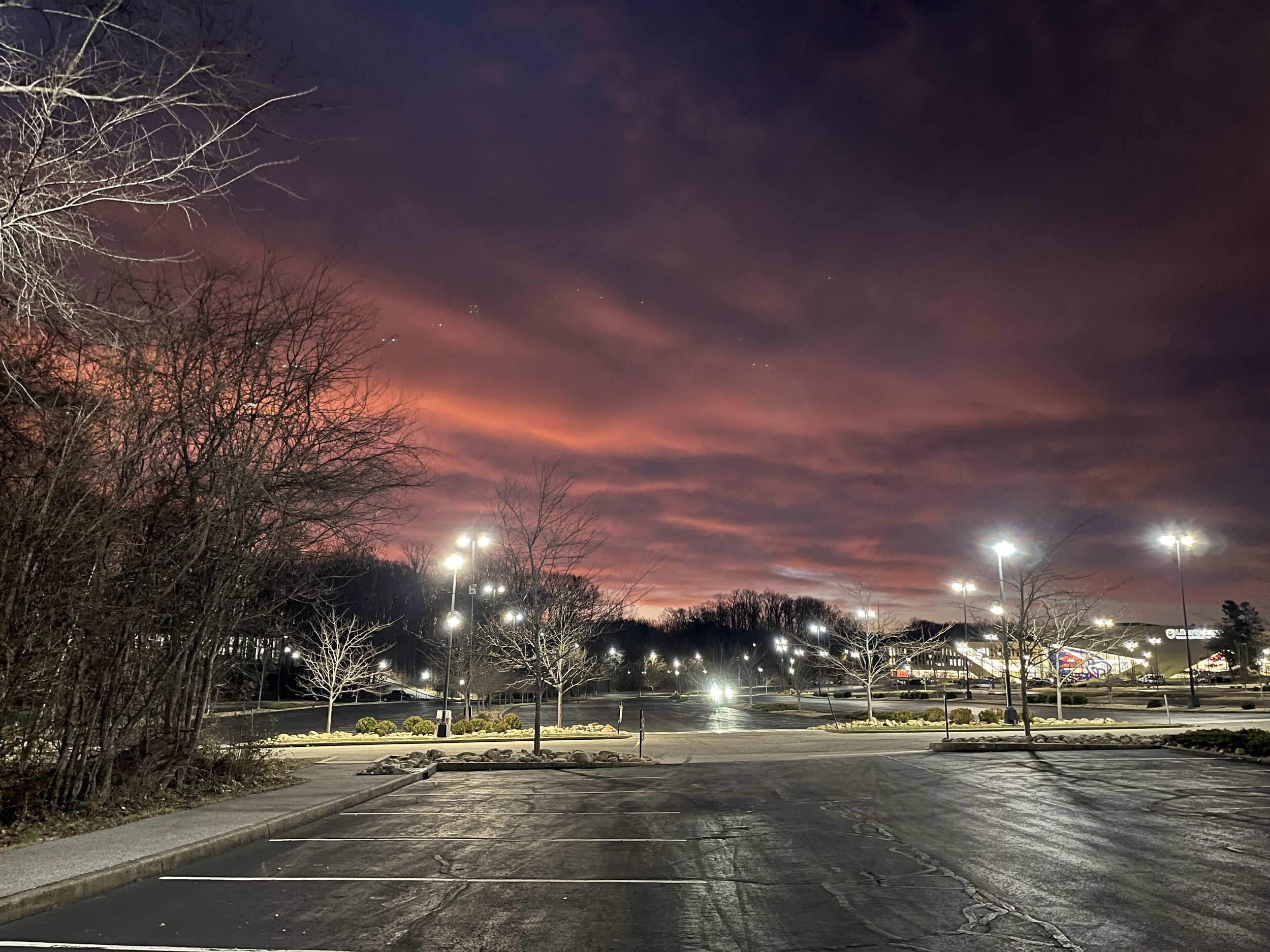
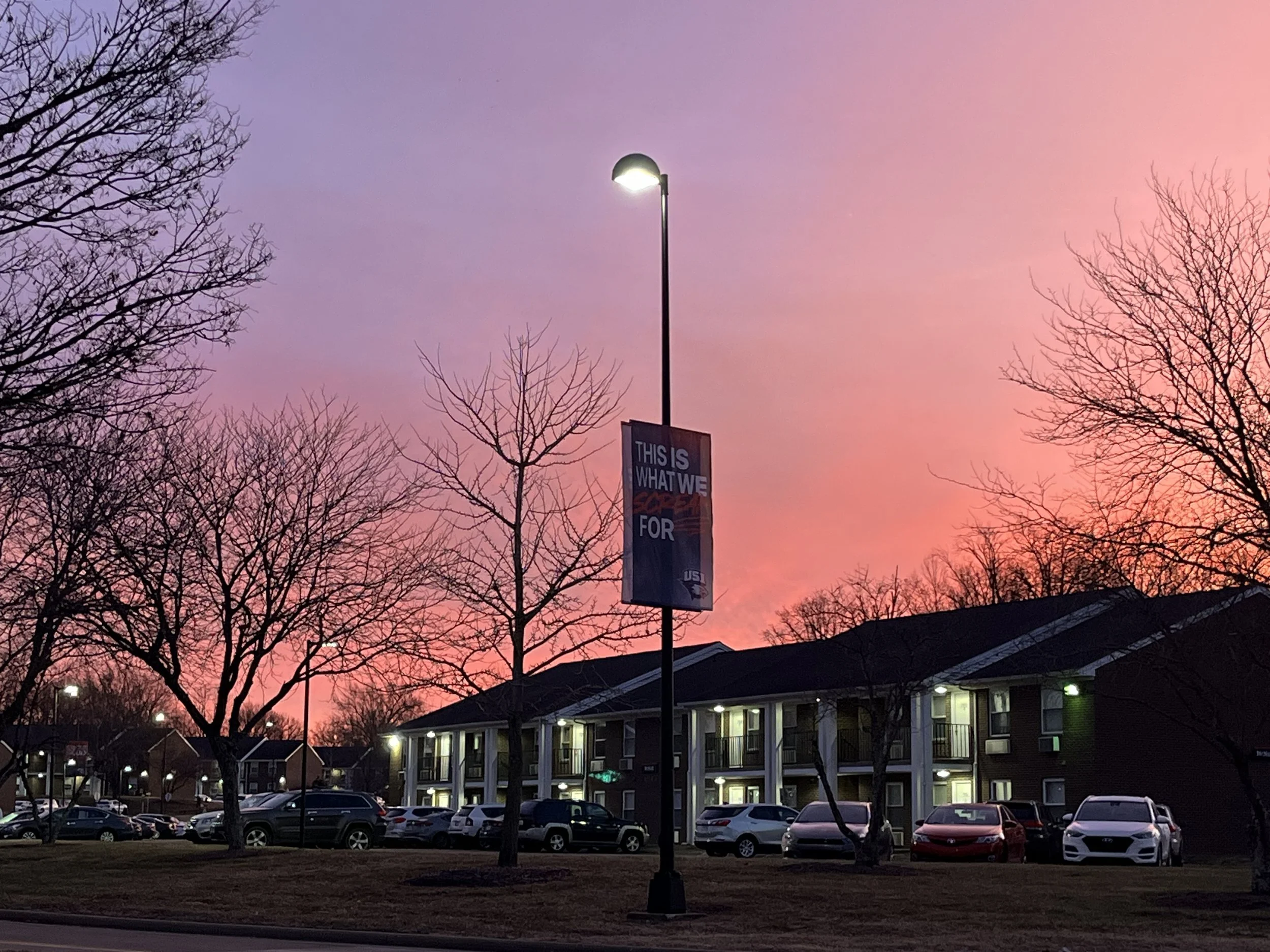
It is hard to visit social media channels without seeing one meme or another bemoaning the month of January and how it feels like it is a full year packed into just 31 days. These memes speak so much truth. January has been rough, but there have been moments of joy and hope to keep pushing forward caring for our established feral cat colonies and the cats that find their way to campus for unknown reasons,
Feeding the cats early morning allows me to witness the sunrise over campus. I may be a little bias from working at USI for over 30 years, but we have a beautiful campus and the perfect location to watch the sunrise and sunset. Highly recommend everyone coming to campus to see for yourself.
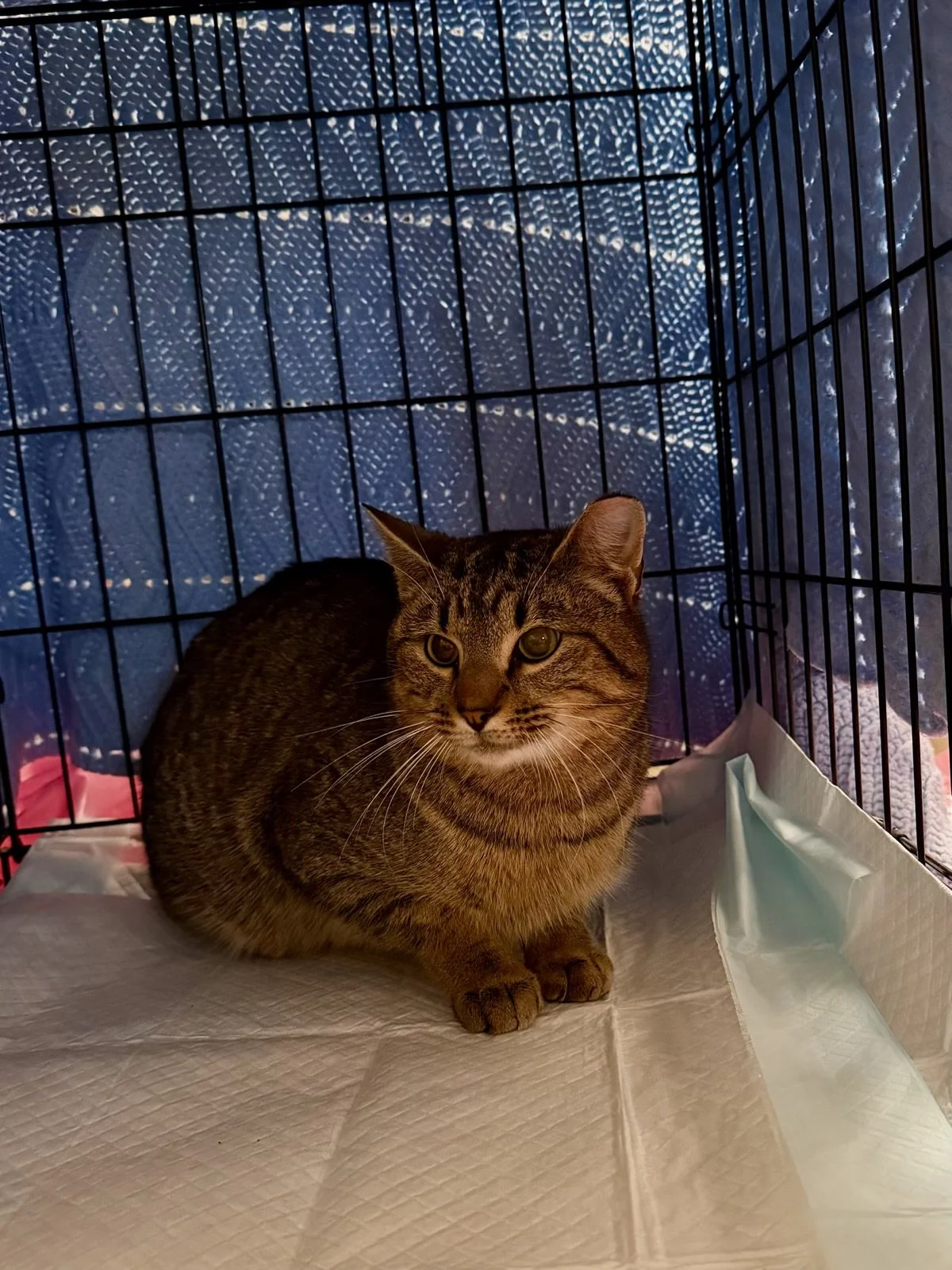
Finally Tabby Gets Trapped
Back in early October a tabby started showing up in the mornings at Nox and Loki’s feeding station. He wasn’t consistent at first, but eventually was there every morning. Another volunteer, Laurie, and I take turns with morning feedings. Around the time this cat started showing up, Laurie had to take a step back from feeding and I took over. Over the weeks I started calling the cat Tabby and through our daily breakfast meetings he managed to wrap me around his paws…he convinced me he needed TWO cans of wet food with his dry food each morning. We even developed a system on how he let me know when he was ready for the second can. I am a sucker for tabby cats.
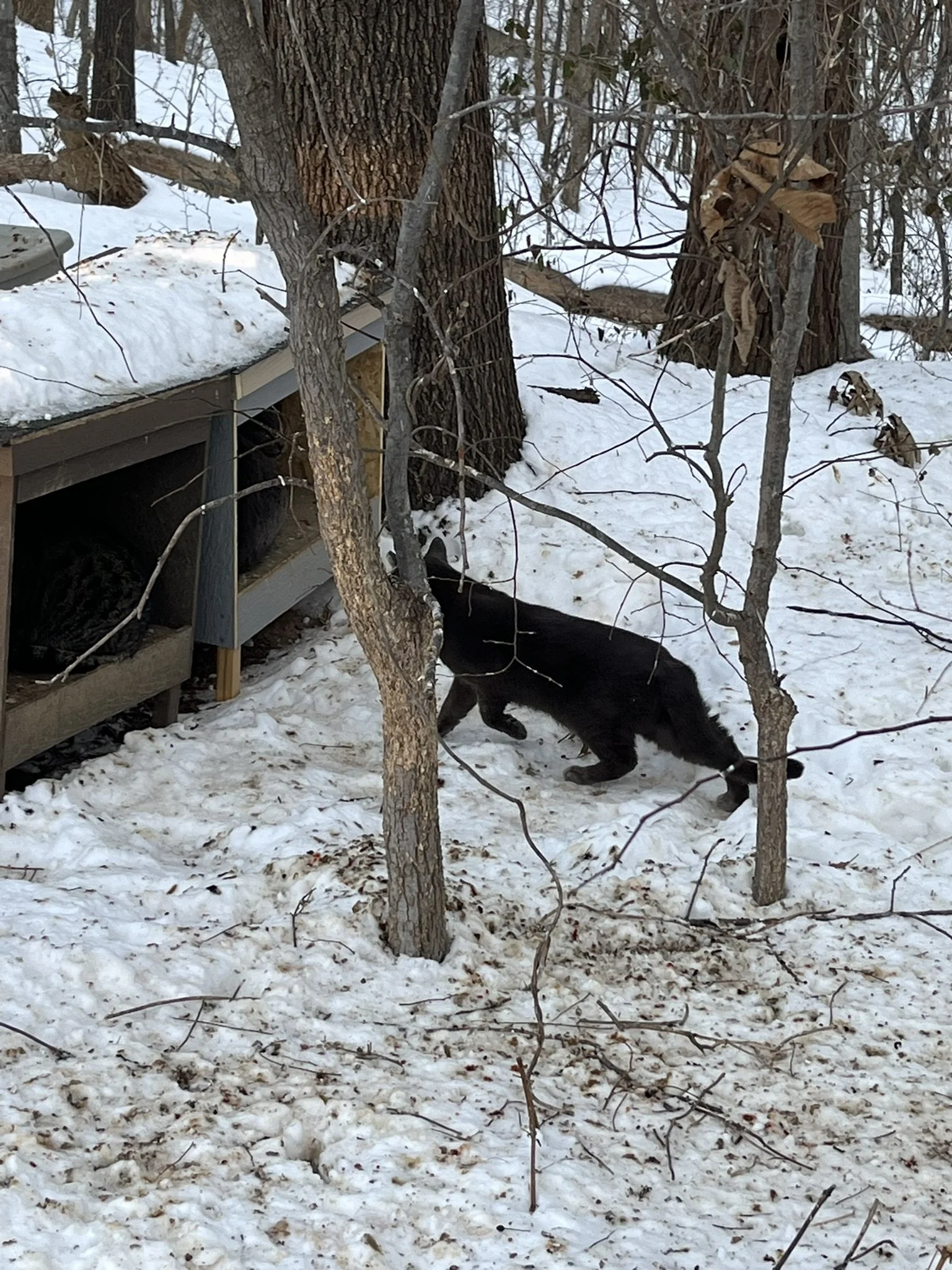
Not sure when, but I got a good look and realized Tabby was an unneutered male. It made sense because he had completely disrupted the dynamic at the station for Loki and Nox. On more than one occasion I arrived and would hear some not so happy cat growling and high pitch cat sounds in the woods. With Tabby and Loki both males they clearly were not going to be friends. Loki’s presence at the feeding station was no longer consistent and his sister, Nox, stopped showing up all together. Eventually Loki started coming back to eat in the mornings and towards the start of the new year Nox would show up occasionally.
Then on January 6, Laurie was able to trap Tabby early that morning. It was easy. That boy is obsessed with wet food. She immediately took him to VHS to their community cat clinic. He was neutered, tested, and vaccinated that day. He went home with Laurie the next morning with the plan of returning him to campus that evening. Right before she was going to load him up, there was a breakthrough. An interaction that was enough to give Laurie pause and reason to keep him to determine if he might be able to become an inside cat. (Oh, and I forgot we had to name him when taking him to VHS. I have always wanted to name a cat, Gus - like the mouse from Cinderella so I can call it Gus Gus.)
Since that day it has been clear that Gus was never a feral cat. He very likely belonged to someone (wasn’t microchipped). Not sure if he was purposely dumped or became lost. I have watched all the lost pet social media pages and there has never been a lost cat that matches with Gus. Anyway, this boy is sweet and all he wants is to be loved.
The generosity of donors who gave to our GoFundMe account made it financially possible for us to take Gus to VHS and then to a vet visit a week later to get his ears checked, test for parasites, and a few other tests. VHS estimated him to be four to five years old. However, Laurie doubted that after looking at his teeth and suspected he was much younger. When Gus saw a vet for his ears, his age was updated to be 18 months to no more than two years old. By the way, Gus was parasite-free and is quite healthy!
Elphie
I briefly wrote previously about another tabby that has been an off and on presence at our largest feeding station. We nicknamed the cat Elphie because it is so vocal. This cat has an ear tipped indicating it was fixed and considered a feral. Elphie was becoming somewhat friendly and would headbutt my hands as I put food into the feeders or rub up against my legs. Unfortunately, Elphie has not been seen since January 13. He/she was never there every day. I believe Elphie’s first appearance was in early October but then not again until November or December. We had planned to trap Elphie before Gus, but it just didn’t happen that way. Not sure if something happened to Elphie or if he/she has other places they hang out besides this feeding station.
Snowstorm
The weather here in southern Indiana the last part of the month has made it challenging to care for the cats due to a snowstorm and frigid temperatures that will not let go. Campus was even closed for two days because of the snow and cold temperatures which hampered clearing the snow and ice. As a result of the conditions, I paused volunteer feedings in the afternoon due to feeding stations not being easily accessible. The cats’ wellbeing is my priority, but keeping volunteers safe is equally important.
The snow started in the afternoon on Saturday. Laurie and I were able to take care of the morning and afternoon feedings. Sunday though we did not make it to campus because of road conditions. Monday and Tuesday we were able to get to campus to feed once each day. Campus reopened Wednesday and I fed at lunch. Thursday and Friday I increased feedings as the cats were starting to slowly reappear. As of late this afternoon when Laurie stopped by campus, Nala, is the only cat we have not seen. Nox and Loki finally showed up to eat today! For more detailed updates on caring for the cats through the snowstorm and ridiculously cold temps, I encourage you to visit us on Instagram or Facebook. Links at the top of this page.
As I write this, there are snow flurries outside and Evie (a kitten I rescued from campus in September) is jumping at the living room window trying to catch the snowflakes. February will be here tomorrow and I am hoping for calmer weather.
Stay warm.
Be kind to animals.
Spay and neuter your pets.
Melissa
USI Campus Cats Coordinator
What a Year for Our Whiskered Residents
2025 brought joy, growth, frustration, and heartbreak for our campus cats — and for all the volunteers who care for them. When I agreed to take over as USI Campus Cats coordinator in mid‑2024, I had no idea how much this role would change me. This year I learned the highs and lows of fostering, witnessed incredible generosity from donors, and felt deep gratitude for our volunteers — especially the students who joined us in the fall. Their involvement allowed me to step back from daily feeding so I could focus more on the behind‑the‑scenes work that keeps our TNR program moving forward.
Looking to 2026, I hope to grow our volunteer base with more USI staff and Evansville community involvement. And of course, we will always rely on food and monetary donations to sustain our efforts.
— Melissa, USI Campus Cats Coordinator
USI Campus Cats is Not a Rescue
I feel like a broken record some days, but it’s important to say again: we are not a rescue. Still, abandoned cats and kittens continue to show up on campus. Please work with a local rescue instead of leaving unwanted pets in a feral colony. It’s unsafe for the cats and disrupts the established colony dynamics. This fall alone, two new tabbies appeared at separate feeding stations and have significantly disrupted the routine and behavior of the resident cats.
Not a Rescue but Yes, We Did Rescue in 2025
Because some people continue to dump pets, 2025 brought several cats needing help. We are endlessly grateful to Feline Fix for their partnership in TNR and adoption efforts.
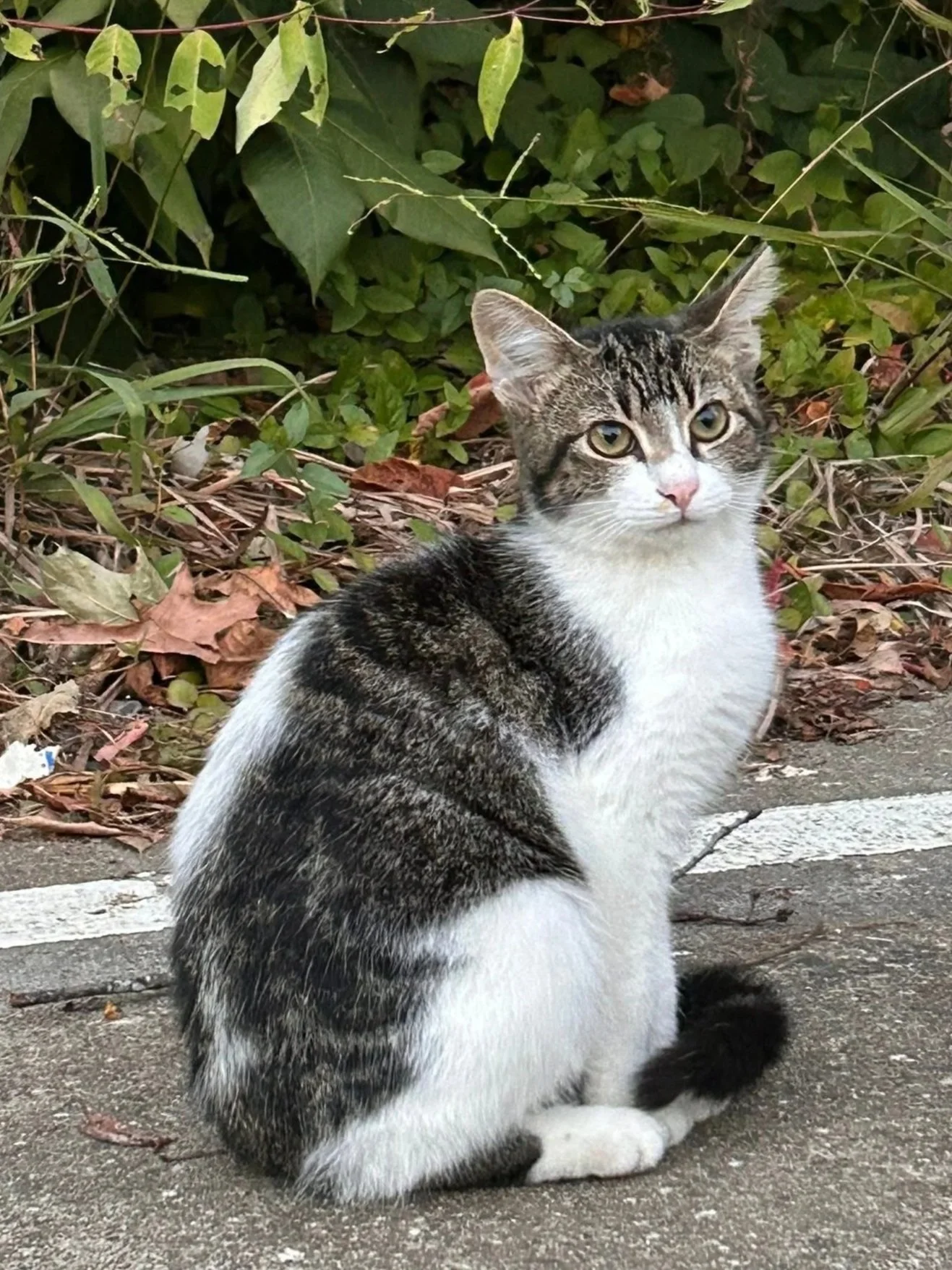
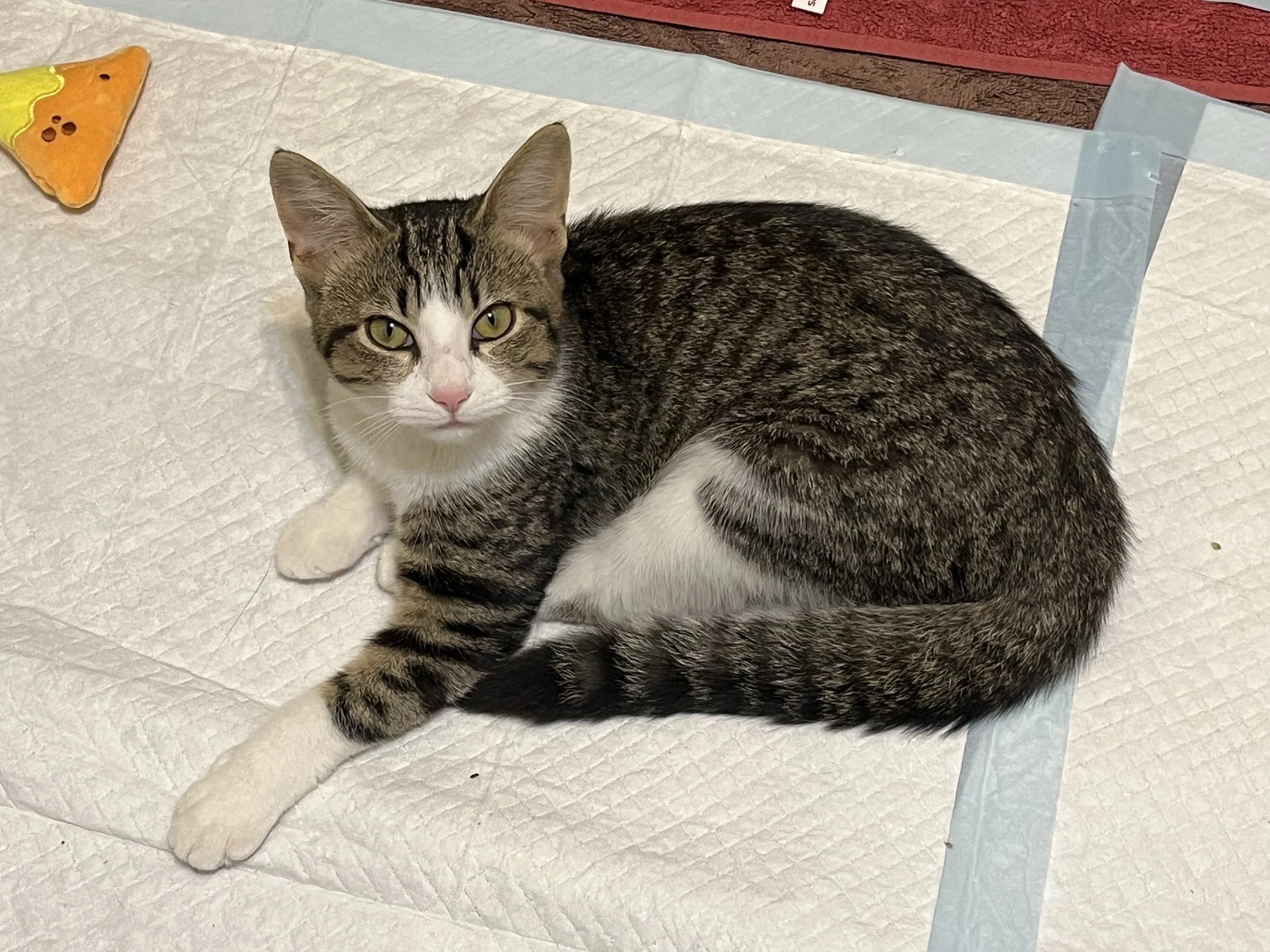
January: I was contacted about a cat on campus near the Support Services building. She had a clipped ear indicating she was likely a fixed feral. The staff in the building nicknamed her DC and took turns feeding her during the week. A USI Campus Cats volunteer fed her on weekends. DC’s sweet and friendly demeanor won over one of the employees who took her home the end of May.
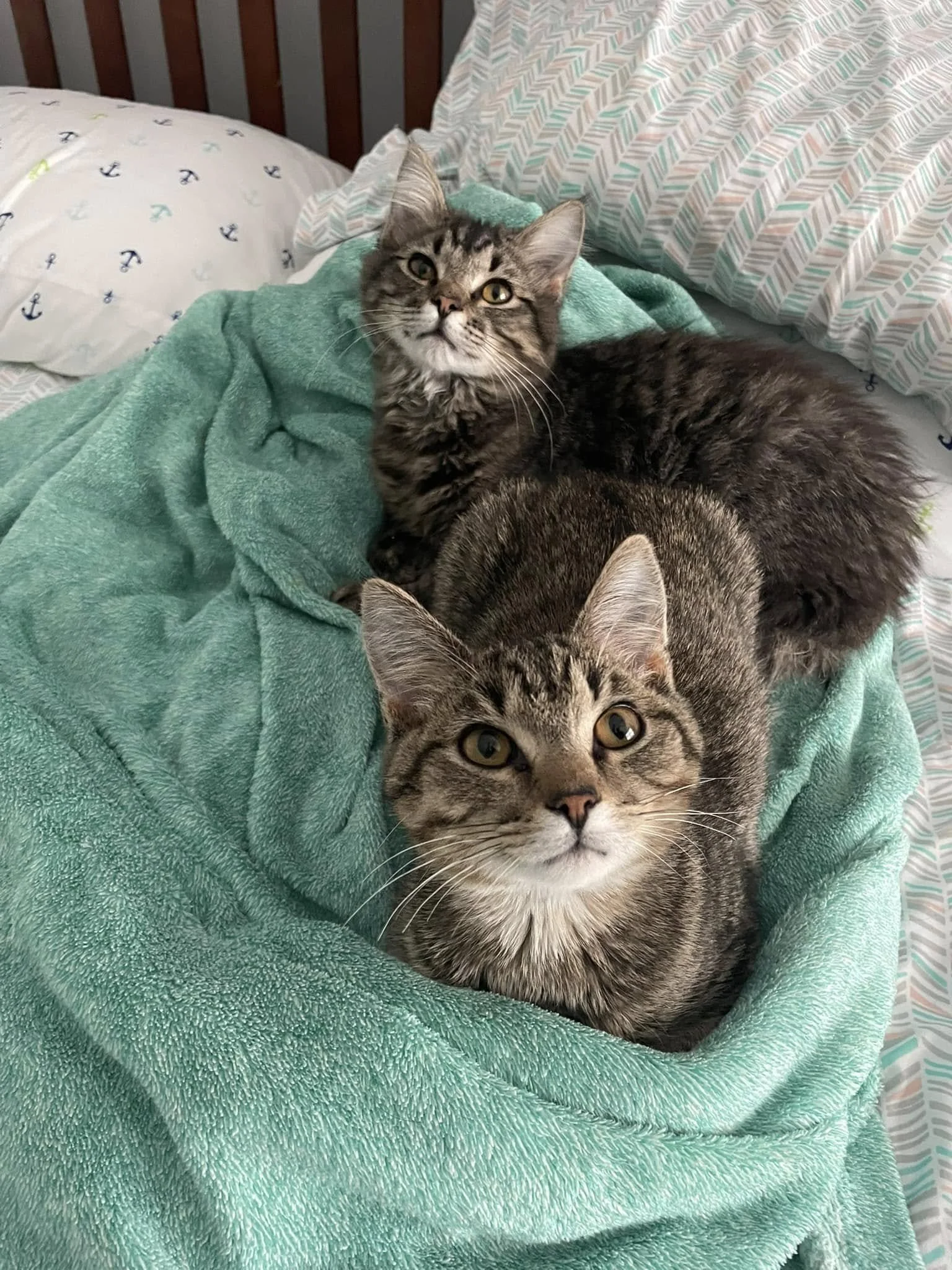
February: Two kittens, tabby brothers, were left at our most recognizable feeding station in February. A USI employee fostered these beauties through Feline Fix.
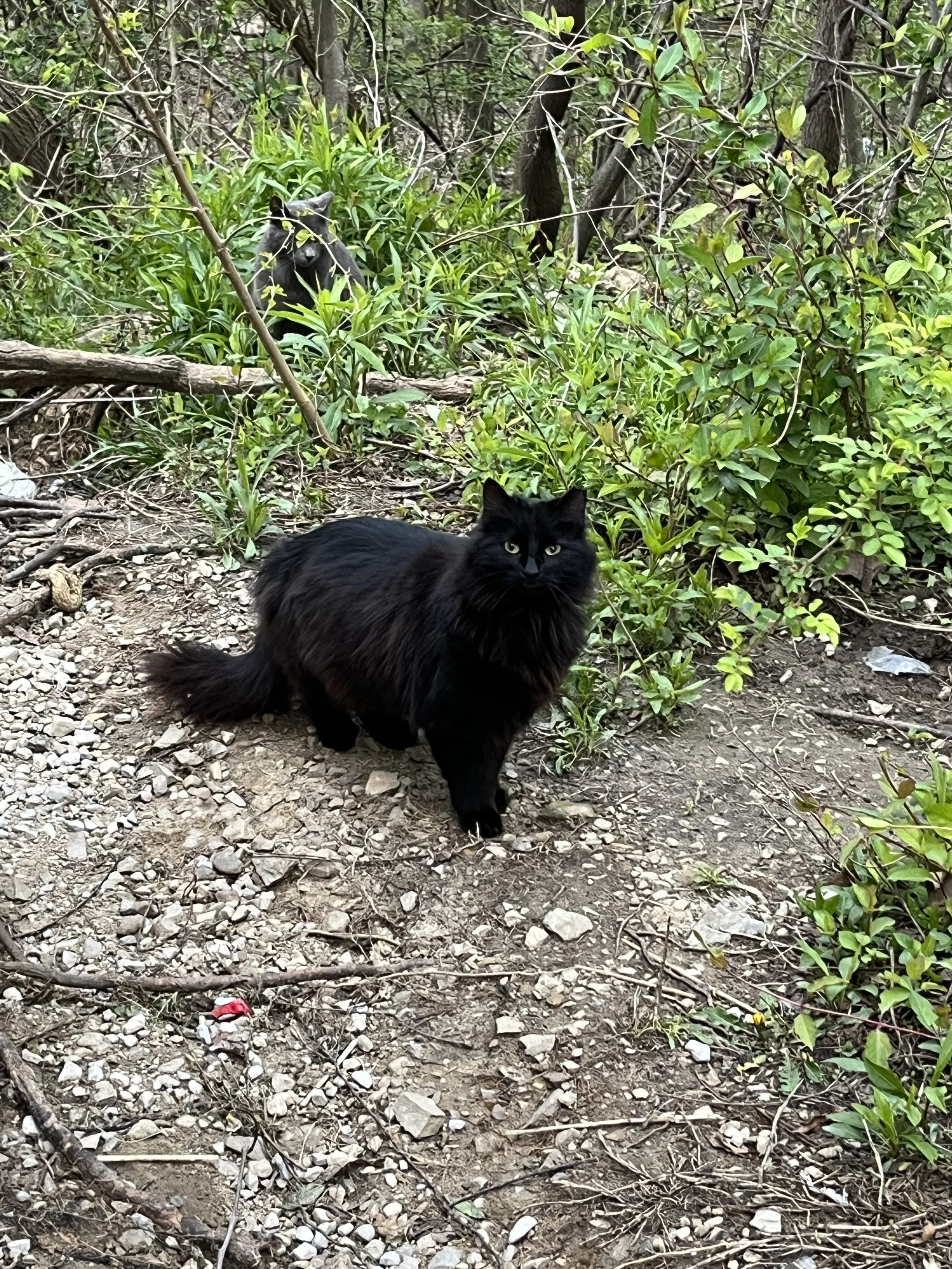
April: A beautiful black cat showed up at one of the feeding stations and it was clear this cat was someone’s pet. Long story short while not microchipped we were able to determine its owner. USI Campus Cats covered the costs to neuter, vaccinate, and microchip the cat. After about a week with us, owner and cat were happily reunited.
May/June: Finally we trapped an adult cat that started showing up in February (Hobbes) and a kitten who was found in early June (Poppy).
August: Students started sharing on social media about a kitten in Housing. After closely following the posts over a couple of weeks, I realized it wasn’t just one kitten. It was two. They were just hanging out in two different apartment areas on campus and once we trapped them in September it was clear these two were brother and sister. The brother, now known as Onion, was adopted by the student who caught him. His sister, who I named Evie joined me and my other two cats.
October: A male unneutered tabby showed up at one of the feeding stations completely upsetting Nox and Loki. Right now I call the cat Tabby and his presence has caused Nox to go weeks without showing up at feeding time. Nox is just now starting to show up again but not yet consistently. The plan is to trap Tabby, get him neutered, and determine if he can become an indoor cat. Yes, we will check for a microchip.
Also, around the same time that Tabby arrived on campus another tabby began visiting our largest feeding station. This cat has a clipped left ear indicating it may already be a fixed feral. Unsure of its gender, we have nicknamed it Elphie (Wicked reference) because she is extremely vocal. In the beginning, Marley was very sweet and would headbutt her in a comforting way to help calm her. The other cats were tolerant of her too. However, that has since changed and she is more combative with the cats and Indie seems somewhat scared of her. Again, we plan to trap Elphie to have her checked by a vet and confirm she isn’t microchipped.
Those We Carry With Us
This year we experienced loss.
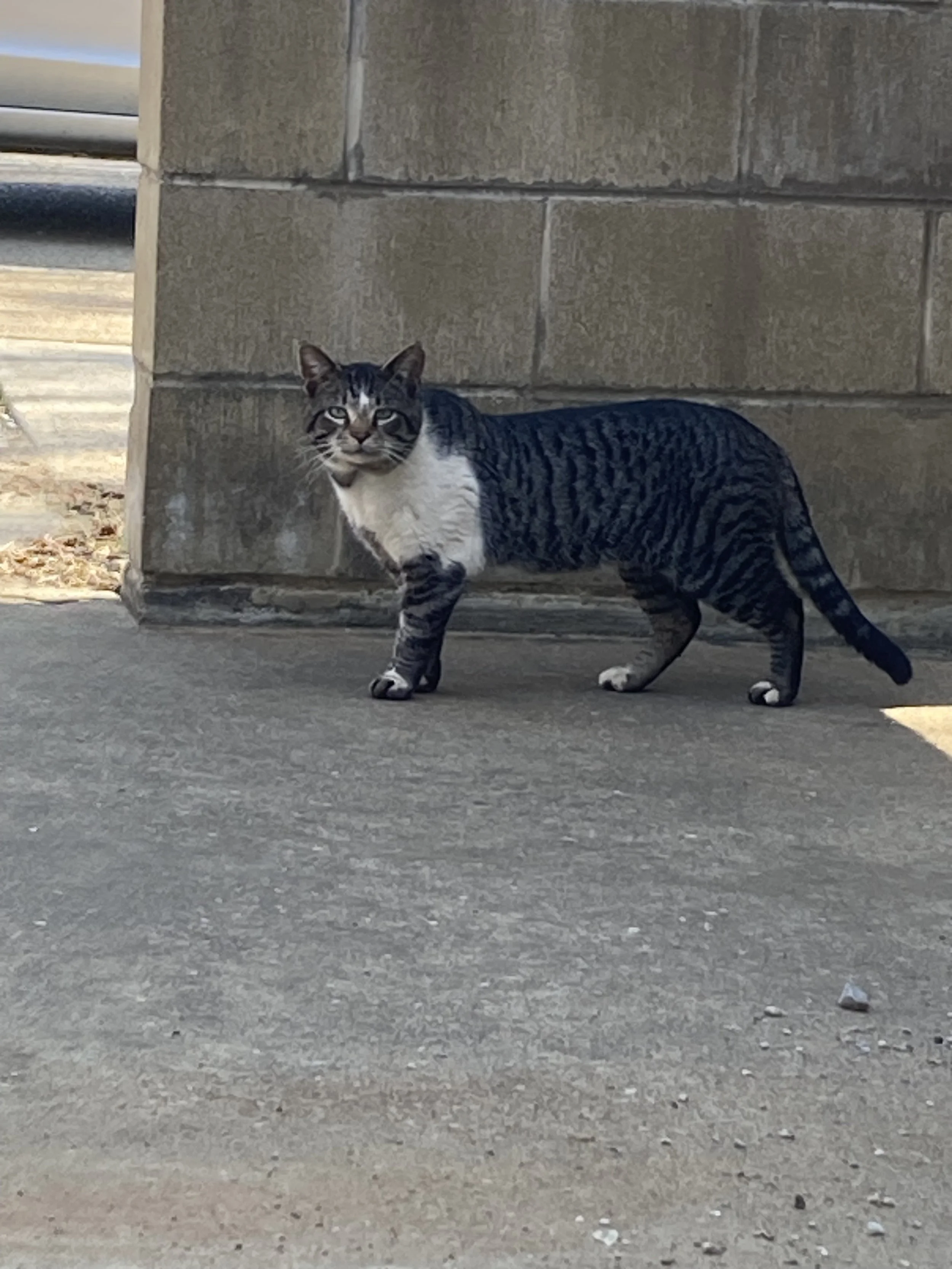
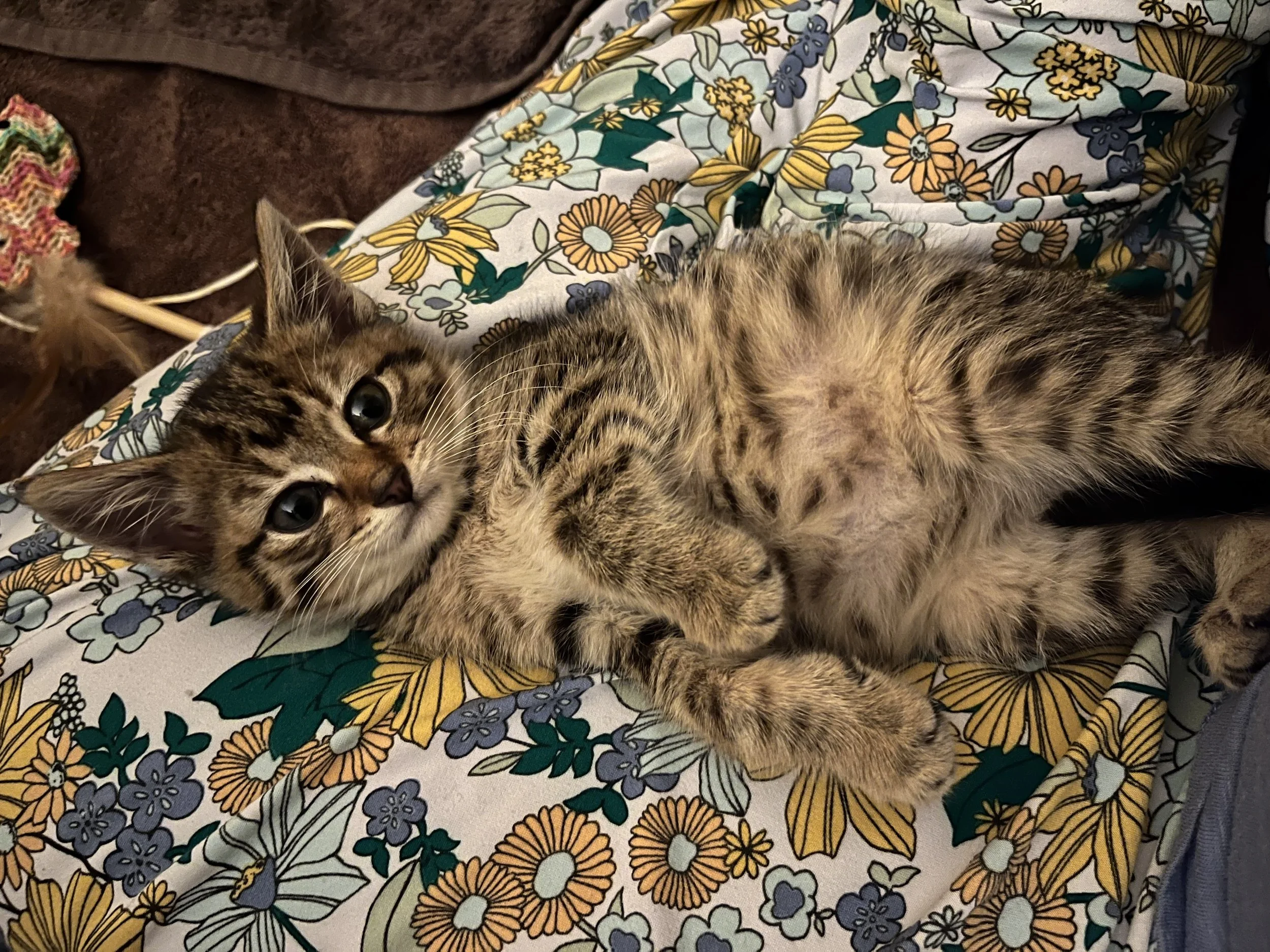
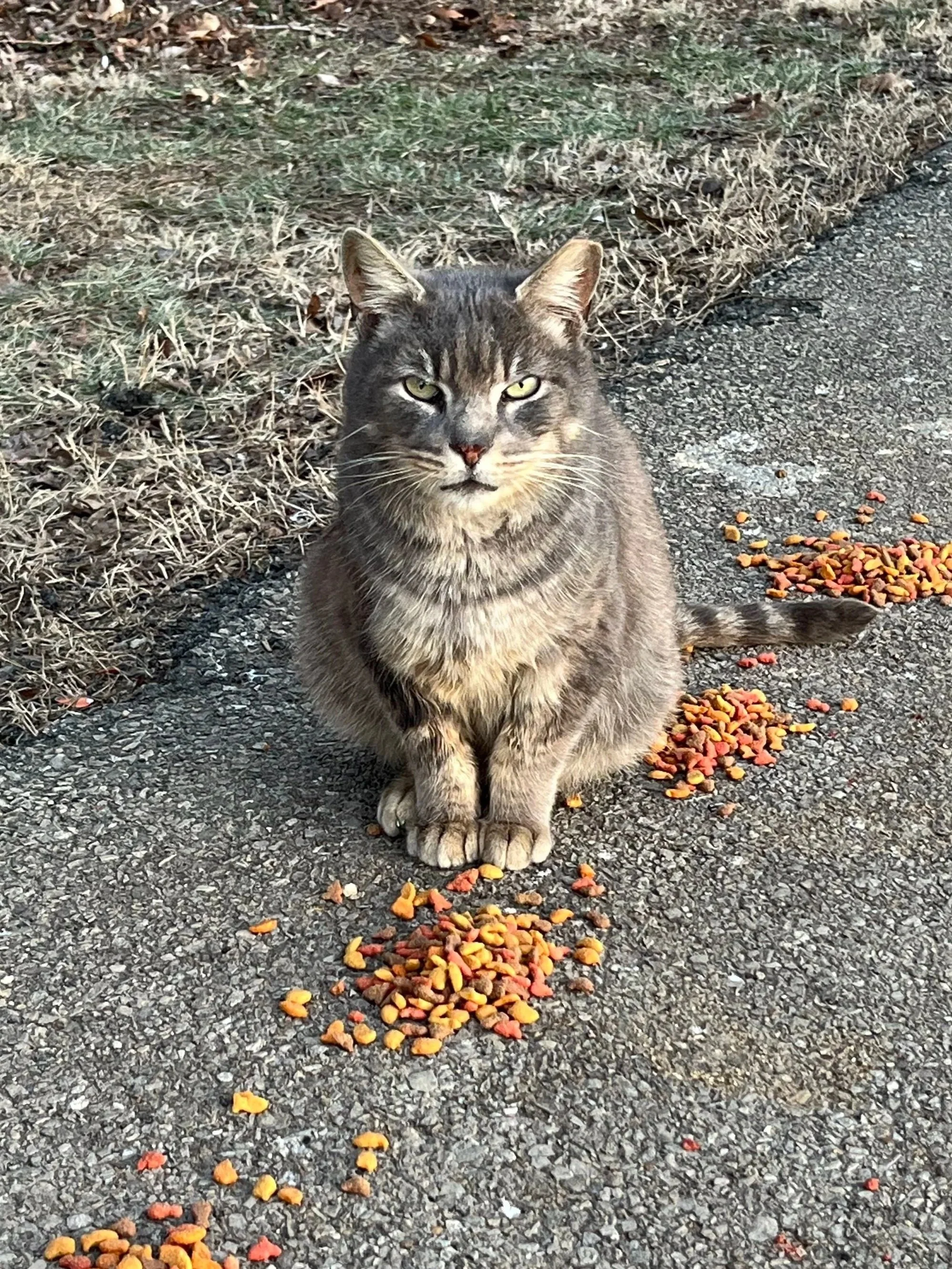
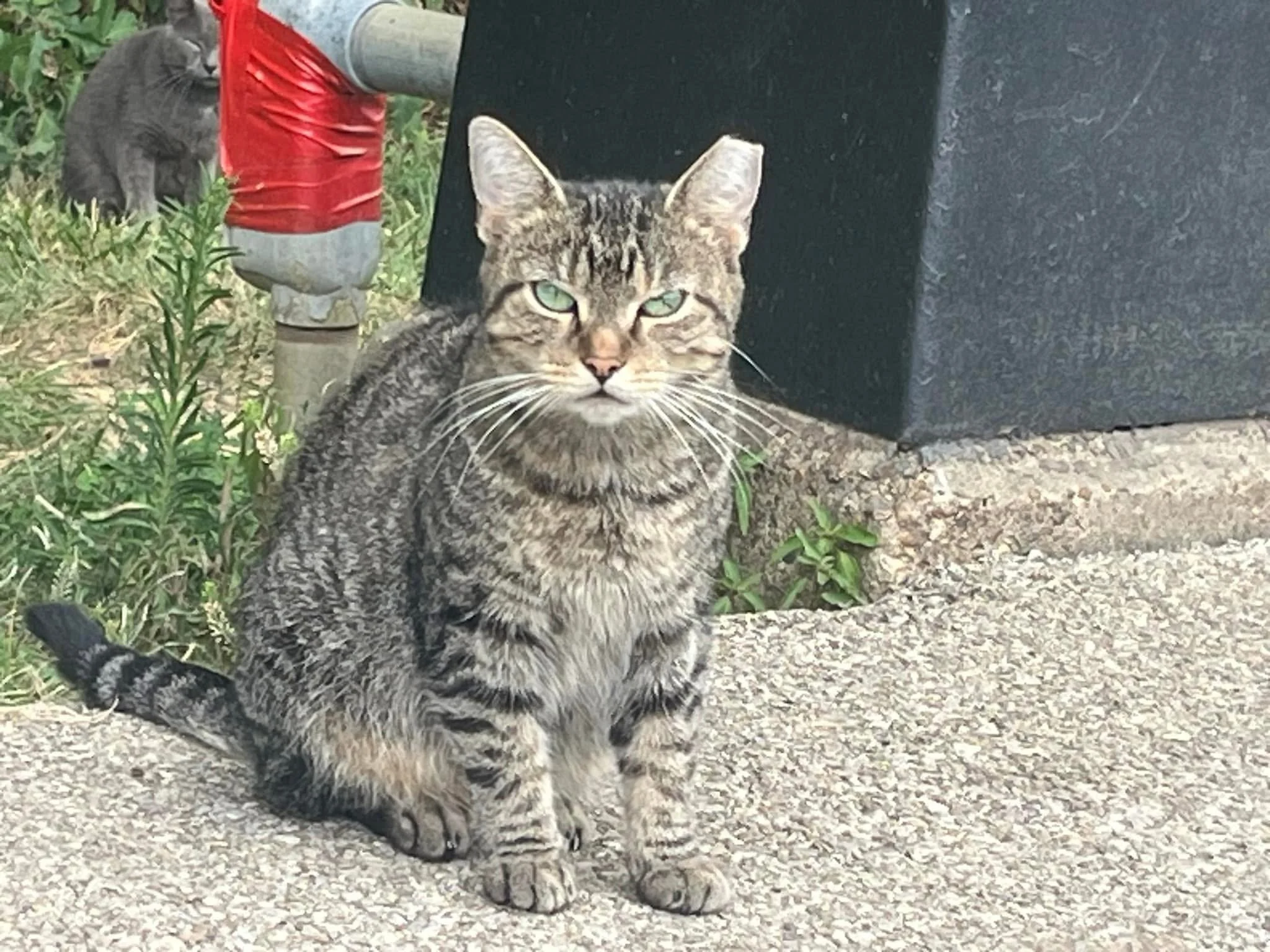
On Memorial Day, we finally trapped New Kitty who was renamed Hobbes. He had started showing up on campus in February. His sporadic presence made it difficult to know when and where he might be to set up a trap. Observations suggested he was older and not in the best health. Suspecting that this might be a hospice foster situation, Hobbes was seen by a vet on the fourth day after being caught. The news was devastating. While not as old as anticipated (just around five years old), he was terminally ill. USI Campus Cats volunteers chose the compassionate decision to end his suffering and let him rest in peace.
A couple of weeks later a tiny kitten was found by a volunteer at the largest feeding station. Clearly, this kitten was starving and had been abandoned on campus. I took her home to foster. Affectionately named Poppy, she enjoyed two weeks of love, attention, and care. Unfortunately, Poppy’s health suddenly deteriorated, and the emergency vet diagnosed her with FIP. While there is now treatment available for FIP, Poppy was too frail and the illness too advanced for her to fight. As hard as it was to make another decision so soon after Hobbes, we chose to not let Poppy suffer any longer and let her body rest peacefully.
Then in early July, Dusty, our big man on campus, disappeared without any indication as to what happened. His disappearance was followed by Mama T going missing a month later – they both lived at the same feeding station. Their absence is still felt deeply and not knowing what happened makes it even more overwhelming to accept. They were familiar faces, big personalities, and steady presences in their spaces, and we miss them every day.
Volunteers and Donors
None of this would be possible without our incredible volunteers who feed the cats twice a day, every day, and our donors who help supply food, cover vet care, and provide essentials like our new wooden feeders. Donated food makes it possible for students to participate without worrying about cost, and monetary support keeps rescued cats healthy and safe.
As we enter the new year, we remain dependent on the kindness and commitment of both volunteers and donors, and those who share our social media posts to bring awareness to what we do.
And remember…spay and neuter your pets.
Melissa